-KH News Desk (editorial1@imaws.org)

The Adani Group, led by Gautam Adani, is preparing a “big-bang” entry into India’s hospitality sector. The conglomerate aims to build one of the largest hotel portfolios in the country, anchored primarily around its fast-expanding airport network and major real estate projects. This strategic pivot positions the group to compete with established giants like the Tata Group’s Taj, ITC Hotels, and the Oberoi chain.
Key Highlights of the Expansion
-
The “60-Hotel” Roadmap: Adani Group plans to develop more than 60 hotels across India. These will be integrated into its infrastructure assets to maximize the value of its land bank.
-
Navi Mumbai as the Nucleus: At the heart of this push is Navi Mumbai, where about 15 hotels are planned near the upcoming international airport.
-
Asset-Heavy, Operator-Light Model: The group will develop the physical hotel assets in-house but intends to partner with international hotel operators to manage the properties, leveraging global expertise in operations and loyalty programs.
-
The “City-Side” Strategy: The goal is to transform airports into “multi-use urban hubs” featuring convention centers, retail, and entertainment. This shift aims to reduce reliance on aero-revenues (landing/parking fees), bringing their share of total income down from 50% to approximately 10%.
-
Strategic Acquisitions: The group is eyeing high-profile acquisitions, including the Sahara Star in Mumbai and five hotels from the Jaypee Group in northern India.
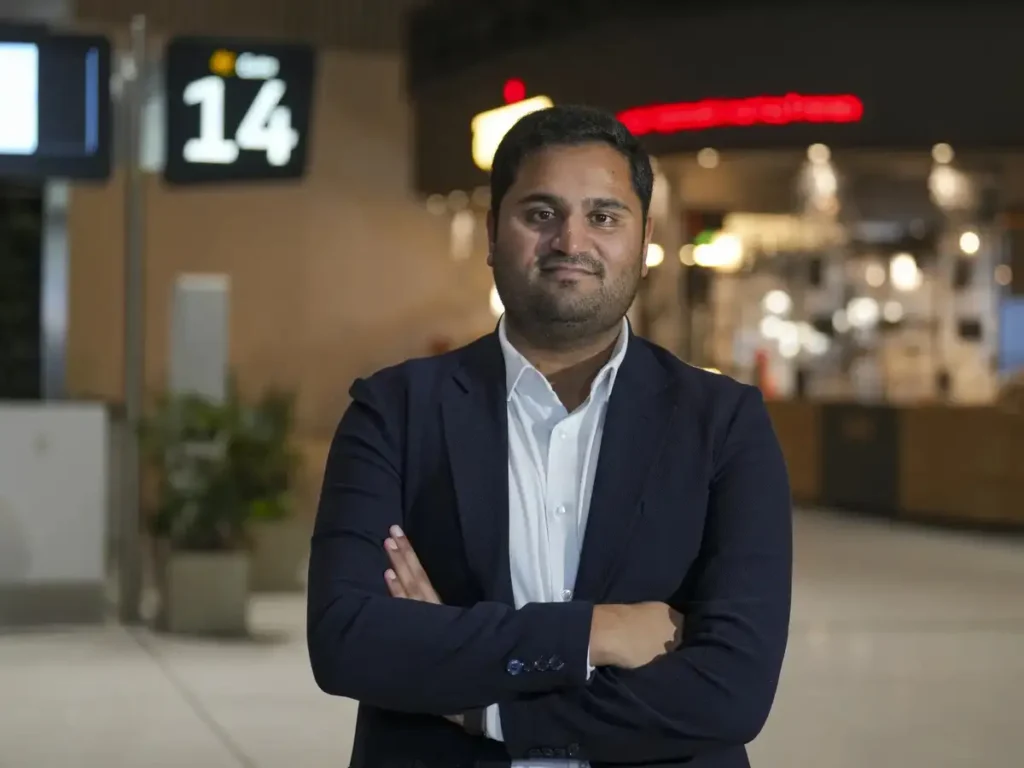
Jeet Adani, Director, Adani Group: “Our comfort and our core competency is in creating hard assets on the ground… The portfolio’s size alone would place it among the largest in the country.”
Industry Perspective (from the report): “By embedding hotels and convention centres within airport precincts, the group aims to transform these assets into high-yield urban hubs rather than relying primarily on aeronautical revenues.”