B Swaminathan (swami@imaws.org)
Surat: The National Restaurant Association of India (NRAI) Surat Chapter has issued a strategic call to the Union Government, urging the establishment of a dedicated Ministry of Hospitality. The association argues that the sector—currently estimated at a reported six lakh crores but potentially three to four times larger in the unorganized space—suffers from a lack of institutional recognition that stifles its potential as India’s second-largest employer.
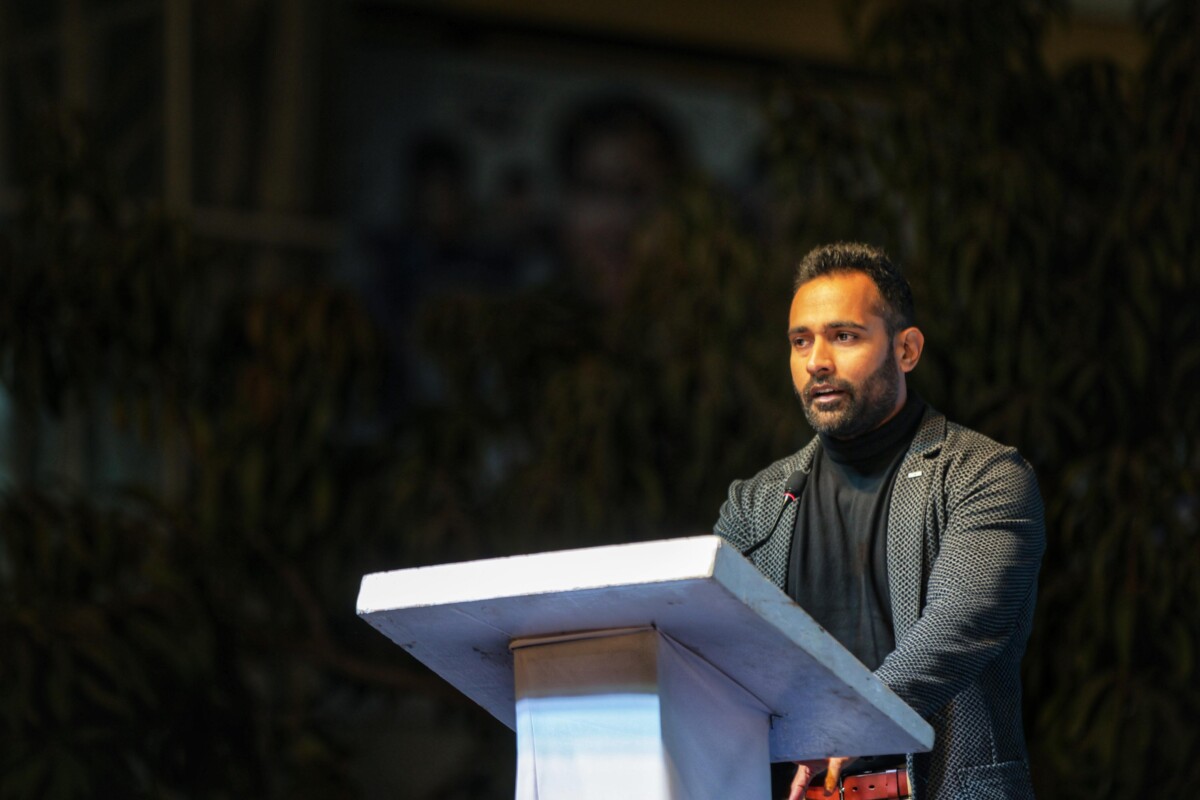
Ashwin Singh, Chapter Head of NRAI Surat, speaking exclusively with Kitchen Herald, emphasized that without a singular governing body, the industry remains tethered to archaic regulations. “Our primary expectation is that the government must recognize the restaurant industry as a designated industry first,” Ashwin stated. He pointed out that while most players fall under the MSME umbrella, the absence of a focused ministry prevents the wholesome development of a sector that could easily reach a ₹25 lakh crore valuation with the right structural support.
The Fiscal Burden: A Plea for GST Input Tax Credit (ITC)
While the demand for a dedicated ministry serves as the long-term vision, the immediate existential concern for restaurateurs is the current GST structure. Under the existing regime, restaurants are charged 5% GST but are denied the benefit of Input Tax Credit (ITC). Ashwin described this as a “bleeding” point for the industry, especially when compared to the bakery segment which enjoys ITC benefits.
“We are bleeding on the GST front,” Ashwin remarked, highlighting the irony of paying 18% GST on rentals and various raw materials while being unable to offload these costs or claim credit. This fiscal pressure forces many businesses into a defensive “averaging” of prices, which often results in inflated costs for the consumer. According to Ashwin, the restoration of ITC would serve as a “Sanjivani Booti” (a life-saving herb—providing the necessary financial oxygen for an industry currently struggling to outpace inflation.)
A Community-Led Blueprint for Growth
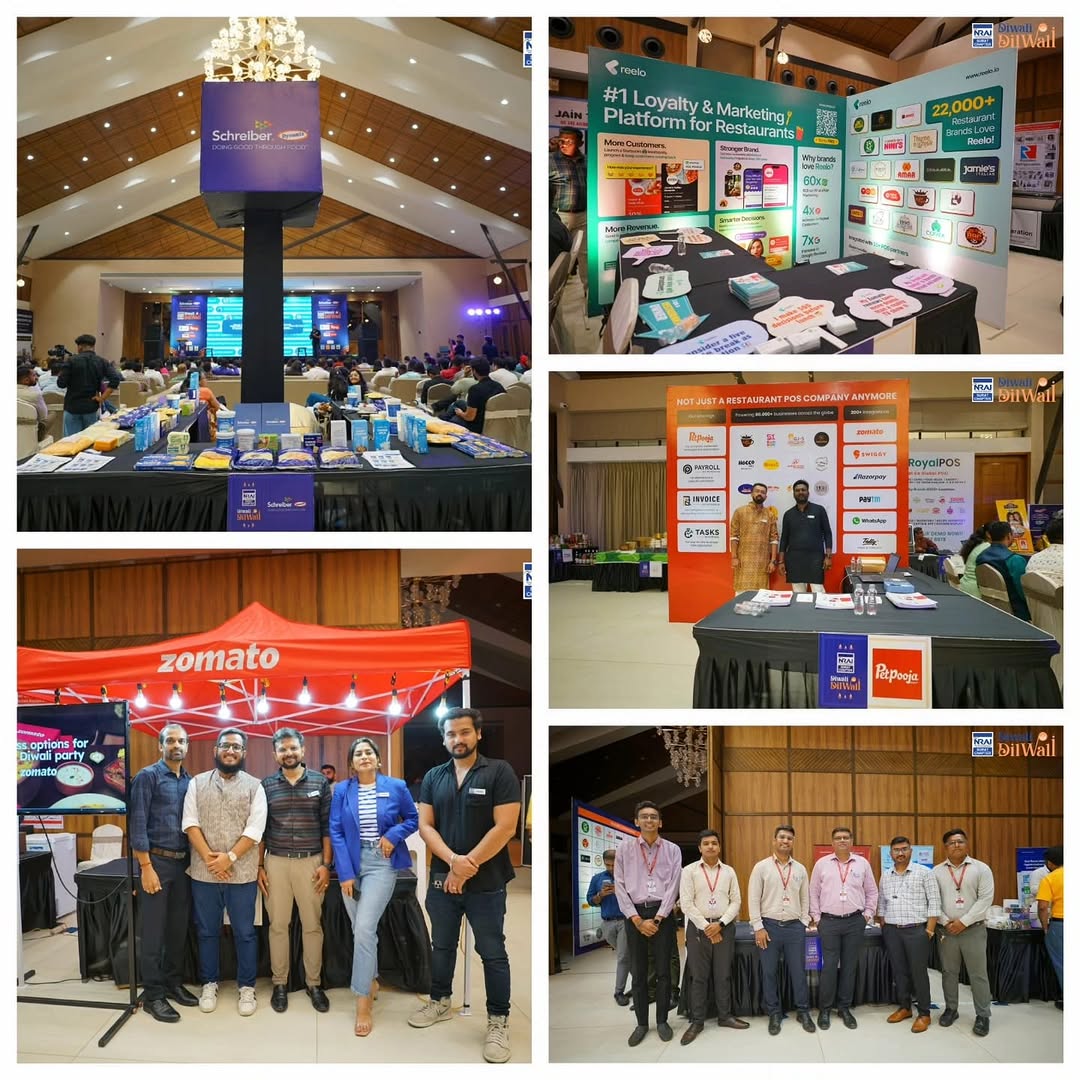
The NRAI Surat Chapter itself operates on a philosophy that favors “inclusive ecosystems” over aggressive corporate targets. Currently comprised of approximately 80 members, including both restaurant owners and associate partners like suppliers and dealers, the chapter functions more as a collaborative NGO than a rigid trade body.
Ashwin explained that the association’s strength lies in its “dialogue mechanism.” Rather than adopting a default mode of protest or revolt, the Surat Chapter focuses on educating members about new regulations and fostering a culture where knowledge is shared freely. “Target brings stress, and stress brings inconsistency,” Ashwin noted, emphasizing that the association prefers stable, organic growth. By engaging in constructive dialogue with local authorities, the chapter has successfully addressed challenges over the last four years without resorting to public demonstrations, proving that a unified, professional voice is the most effective tool for industry advancement.
The Ancient Soul and Modern Evolution of Surat’s Food Culture
To understand the business of food in Surat, one must understand the ancient Gujarati adage: “Surat no jaman ane Kashi nu maran”—suggesting that dining in Surat is a heavenly experience equivalent to attaining salvation in Varanasi. This rich culinary heritage is not static; it is a centuries-old process of evolution fueled by Surat’s history as a global port city.
“Surat food is not stuck at one point,” Ashwin observed. “It has the influence of all the travelers who visited over centuries.” This openness has led to a versatile portfolio where international concepts are localized with extraordinary creativity. For instance, Surat has developed over 500 variations of egg-based dishes and transformed the South Indian Dosa into a visual and flavorful masterpiece that can rival international gourmet plates.
Business trends in Surat have shifted significantly over the last decade. Traditionally a street-food-dominated market, the city has seen a massive migration toward formal dining. Interestingly, this evolution is led by “Diamond Barons” and textile magnates who, after traveling the world for business, have returned to replicate Michelin-star-level experiences in their hometown. In Surat, a street food vendor might earn a profit of nearly ₹1 lakh a month, while a fine-dining restaurant can command a ticket size of ₹2,000 per head without alcohol—a testament to the city’s unique position as the “Specialty Coffee Capital of India” and a non-alcoholic dining powerhouse.

Navigating the Post-Pandemic Landscape and Global Disruptions
Despite the vibrancy of the local culture, the industry faces a complex array of modern challenges. The post-COVID era has ushered in a “delivery culture” that Ashwin believes has fundamentally compromised food quality. “The moment the lid is tapped on a container, the food dies,” he remarked, noting that the physical experience of dining is being replaced by a digital one.
The rise of “Gen Z” dining habits has also introduced a shift toward aesthetics over substance. Ashwin noted with concern that for many young consumers, food is viewed through the lens of social media and “FOMO” (Fear Of Missing Out), leading to the popularity of “nasty” or gimmicky dishes that prioritize “Instagrammable” visuals over nutritional value. He cautioned against the “poison” of factory-produced food, advocating for a return to the balanced, wholesome principles of traditional Indian cuisine—a diet rich in lentils, ghee, and local produce that global health trends are only now beginning to validate.
Furthermore, Surat’s hospitality sector is uniquely sensitive to global geopolitical shifts. As the diamond polishing capital of the world, the Russia-Ukraine war and subsequent sanctions hit Surat’s disposable income four years ago, long before it affected other regions. Disruption in global supply chains has also spiked the cost of essentials like sunflower oil and LPG, creating a “perfect storm” of high operational costs and reduced consumer spending power.
Bridging the Organized and Unorganized Sectors
The path forward for the Indian food industry lies in the formalization of its massive unorganized sector. Ashwin believes that a dedicated ministry could incentivize street vendors and small-scale operators to enter the mainstream by offering grants for food parks and hygienic infrastructure.
“We need to bring them into the mainstream to increase hygiene standards and government tax revenue,” Ashwin concluded. The industry’s ultimate expectation remains a two-pronged approach: the institutional recognition of a separate ministry to govern the “ecosystem of the plate,” and the immediate implementation of GST Input Tax Credit to ensure that the businesses providing India’s primary social and economic “rotation of money” can move from a state of bleeding to one of sustainable growth.