–By B. Swaminathan
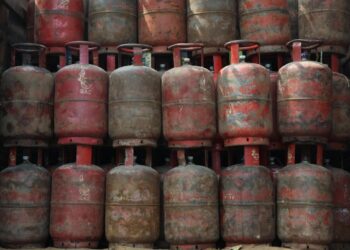
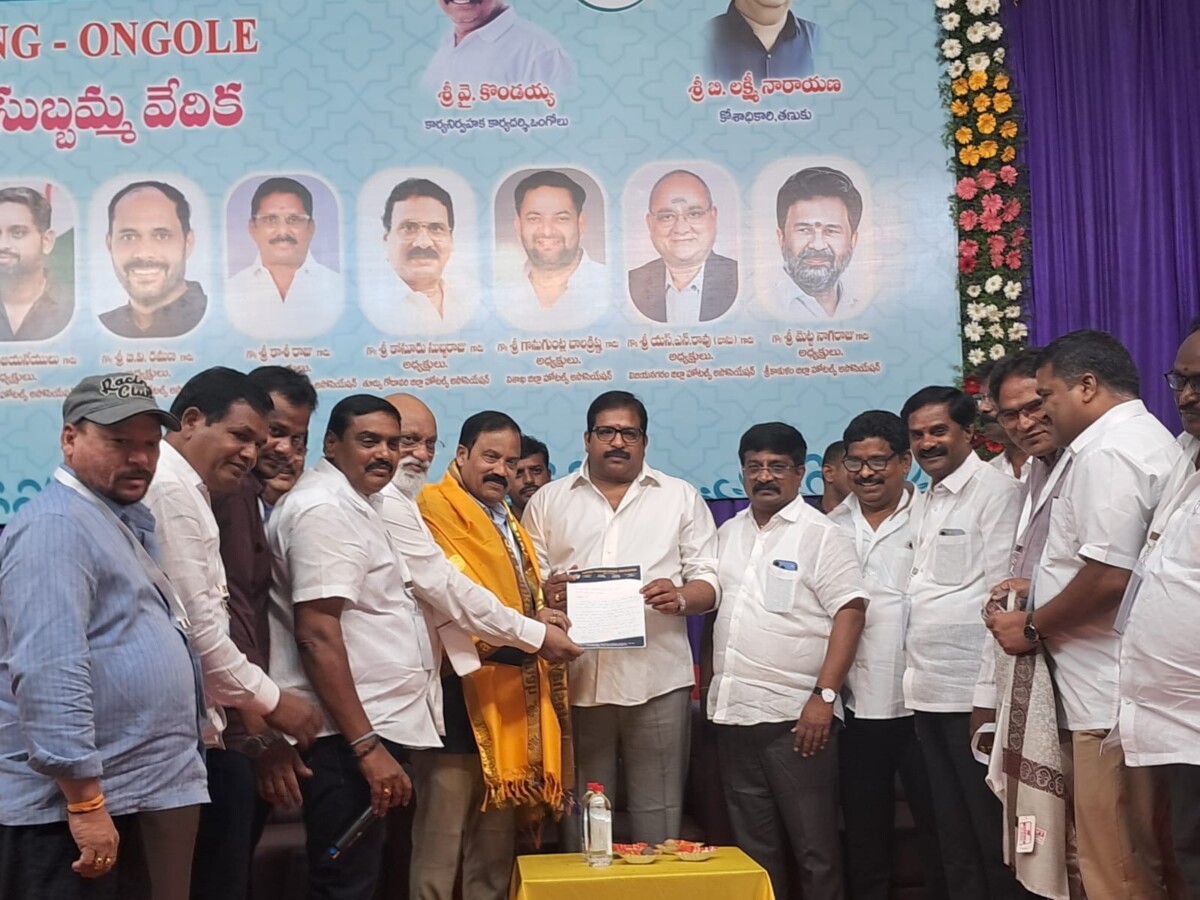
The Andhra Pradesh Hotels Association (APHA) has formally petitioned the state government to address critical operational challenges, specifically requesting a guaranteed supply of at least 50% of the industry’s Liquefied Petroleum Gas (LPG) requirements.
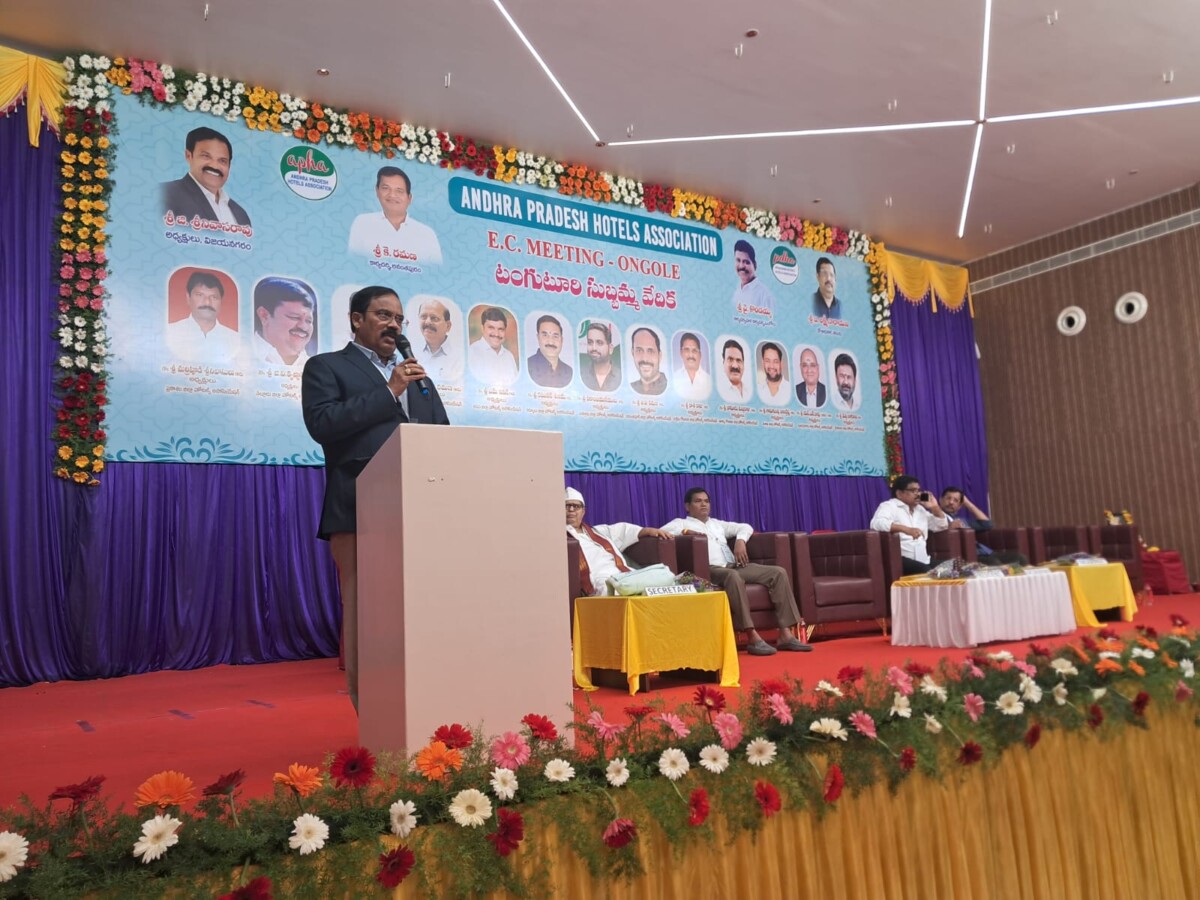
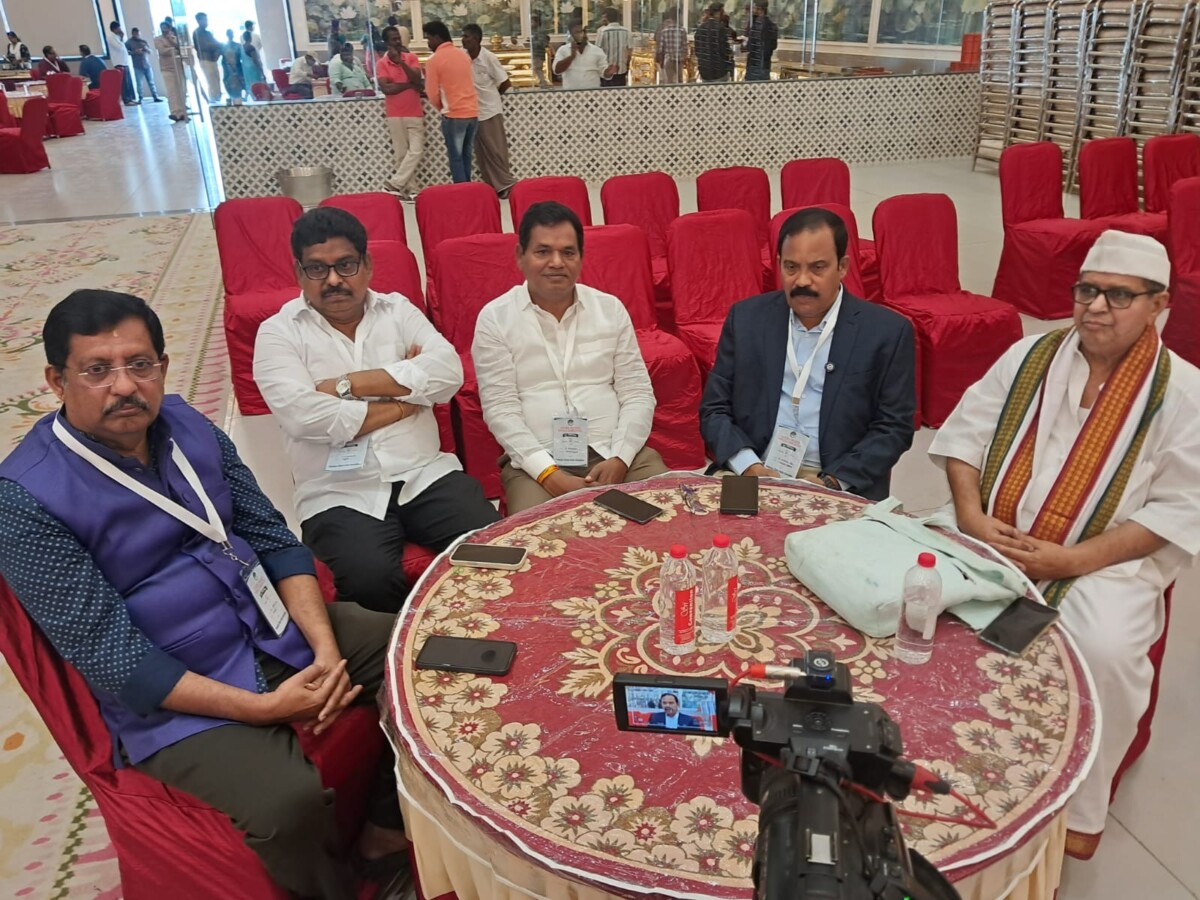
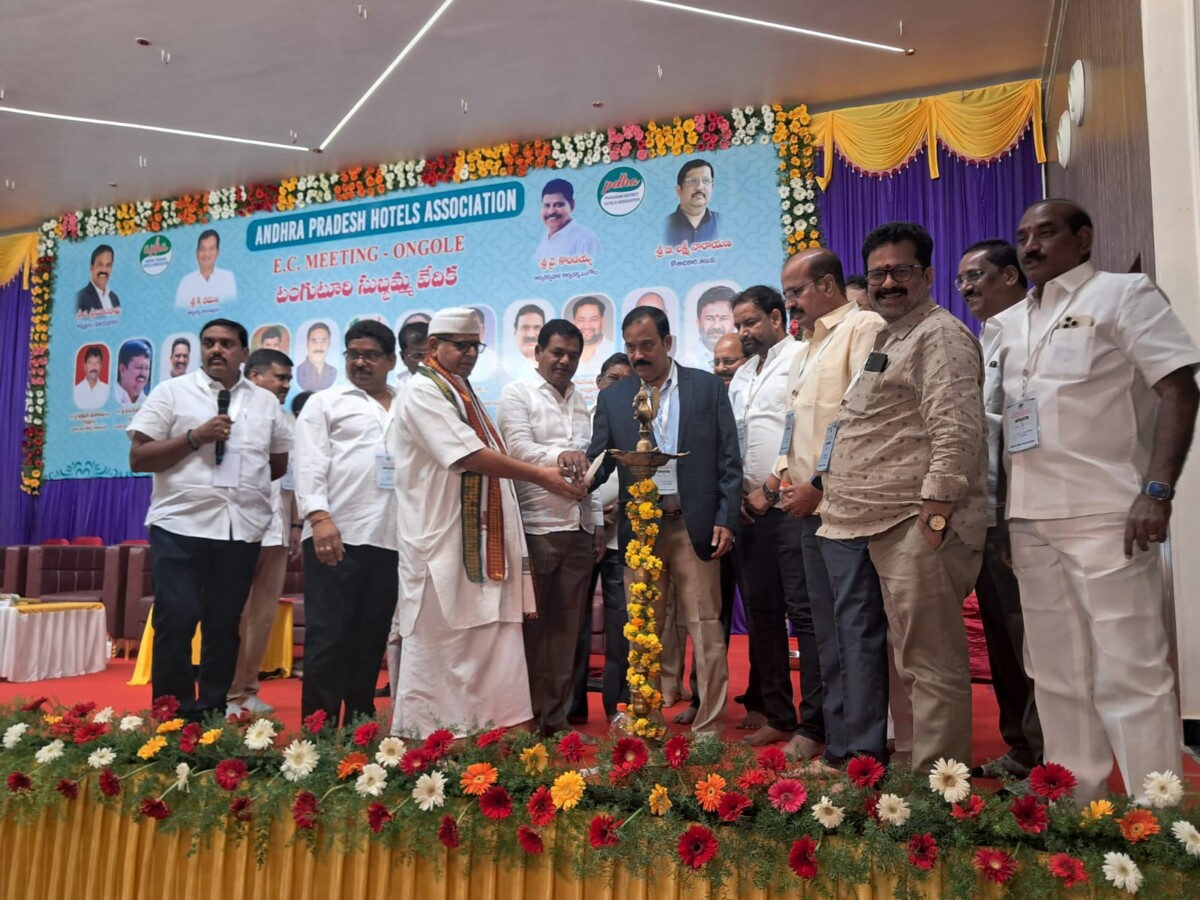
The appeal was made during the association’s recent Executive Committee meeting in Ongole, which brought together regional presidents, secretaries, and industry stakeholders to discuss the mounting economic pressures on the hospitality sector.
The second Executive Committee meeting encompassed a comprehensive agenda that balanced high-level advocacy with essential internal administrative oversight. Beyond the critical discussions regarding the state’s ongoing gas crisis and meetings with GST, Metrological, and Labor department officials, the committee reviewed proposed bylaw changes submitted by district presidents and finalized a resolution to negotiate with Zomato and Swiggy for reduced commissions and suspended discounts. Property management was also a focal point, as members approved the renovation of the APHA office—including the installation of a lift, ground floor layout modifications, and urgent plumbing repairs for tenant.
Calls for Regulatory Clarity and “Education First”
Opening the session, APHA President Mr. Srinivas emphasized the need for industry unity amidst a tightening regulatory environment. He highlighted concerns regarding frequent inspections and “raids” on hotel premises across the state.
“We are navigating a difficult period,” Srinivas said. “The government should prioritize educating hoteliers on evolving regulations rather than immediately imposing penalties. We request a warning-based system to ensure members can achieve compliance without facing financial ruin.”
Srinivas also addressed widespread confusion regarding weighing scale regulations. He noted that many members have been penalized for internal-use scales that are not used for customer transactions, calling on the government to clarify the distinction in its enforcement policies.
Collaborative Compliance: GST and Records
The meeting featured a briefing from a GST department official, who encouraged a shift toward a collaborative relationship between the industry and state auditors.
“We urge the association to maintain regular dialogues with Food Safety, Legal, and GST departments,” the official stated. “This allows us to work together to improve industry-government relations.”
The official also issued a cautionary note regarding digital payments, advising owners to remain vigilant with Point of Sale (POS) transactions due to new cross-verification mechanisms. He underscored the necessity of rigorous record-keeping, advising businesses to retain land leases and financial statements for at least six years to avoid legal complications.
Addressing the Energy Crisis
The primary concern for the delegation remains the volatile supply of LPG. The association argued that because the hospitality industry supports hundreds of thousands of livelihoods and serves the traveling public, its energy security is a matter of public interest.
“The government must extend a helping hand to ensure at least 50% of our LPG needs are met,” the association stated, noting that consistent fuel supply is the backbone of restaurant operations.
Government Response
Ongole MLA Damacharla Janardhana Rao, who attended the event, assured the assembly that the state is working to mitigate energy shortages.
“Our government is engaging at the district level to prevent LPG scarcity,” Rao said. “We are exploring innovative solutions to ensure that neither the common citizen nor the business owner is adversely affected.” The MLA concluded by urging hoteliers to maintain high food quality and safety standards for the protection of the public.
Proposed Training Institute
In a bid to solve the industry’s labor shortage, President Srinivas requested a land allotment from the state government to establish a dedicated training school. Under the proposal, the association would fund the construction of the facility.
“There is a high demand for skilled professionals, yet unemployment persists across other sectors,” Srinivas said. “We are prepared to train and employ individuals regardless of their socio-economic background, providing them with food, shelter, and a career.”
The representatives from each district spoke about the updates from the associations, raised their concerns, and also provided suggestions for the betterment of the forum.
The arrangements of the events were made by the hoteliers’ association of Prakasam district.