-KH News Desk (editorial1@imaws.org)
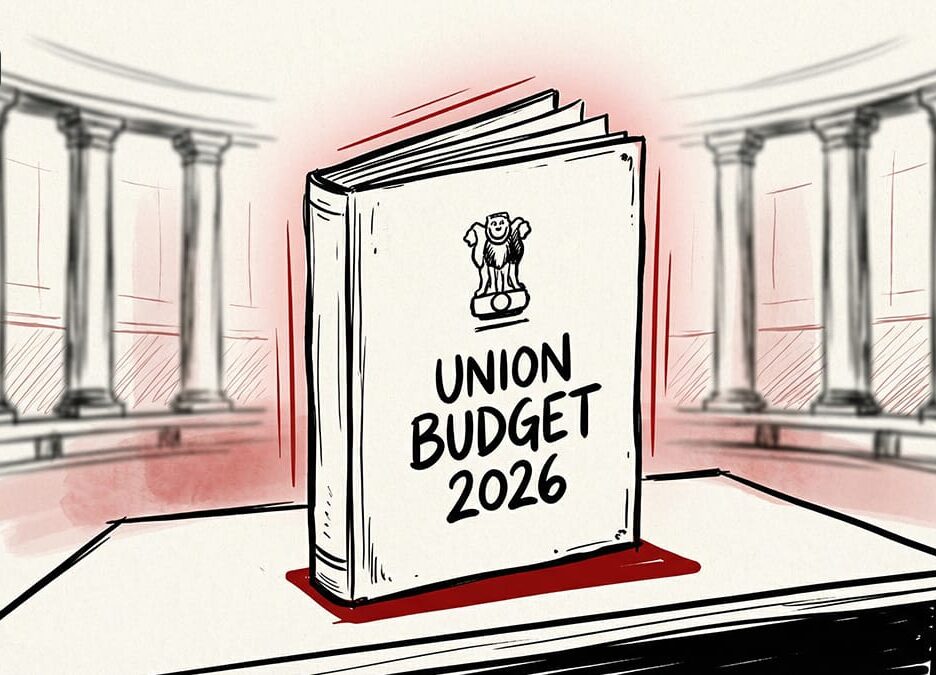
In a transformative move for India’s service and food sectors, the Union Budget 2026-27 has signaled a “Golden Era” for the hospitality and food manufacturing industries. Presenting the budget on February 1st, Finance Minister Nirmala Sitharaman introduced a series of strategic interventions aimed at professionalizing the workforce, easing the financial burden on travelers, and strengthening the back-end logistics of the food supply chain.
The Educational Milestone: NCHMCT Becomes National Institute
The crowning jewel for the culinary industry in this budget is the official upgrade of the National Council for Hotel Management and Catering Technology (NCHMCT) to the status of a National Institute of Hospitality. This move is expected to grant the body greater autonomy, allowing for advanced research in indigenous cuisines and international hospitality standards. For the thousands of chefs and hospitality managers entering the workforce, this means a curriculum that is more industry-aligned and a degree that carries significantly higher global weightage.
Strategic Relief: TCS Slashed to 2%
Providing much-needed oxygen to the outbound travel and restaurant ecosystem, the government has reduced the Tax Collected at Source (TCS) on foreign tour packages to a flat 2%. This correction addresses a long-standing grievance of the travel industry, making international travel more affordable for Indian consumers. Industry experts believe this will have a “trickle-down” effect, boosting the revenues of travel agencies and specialized dining services that cater to global travelers.
Hospitality Infrastructure and the ‘Challenge Mode’
While the industry has long lobbied for blanket infrastructure status, the 2026 Budget has introduced a targeted approach. Under a new “Challenge Mode,” 50 destinations will be selected across India for comprehensive development. In these designated zones, land will be provided by states, and hotel projects will be officially included in the Harmonized Master List (HML). This reclassification is a game-changer, allowing developers to access long-term financing at significantly lower interest rates, particularly encouraging growth in Tier 2 and Tier 3 “foodie destinations.”
From Orchards to Gourmet Brands
The budget also placed a heavy bet on high-value agriculture to fuel the food processing industry. Finance Minister Sitharaman announced a dedicated focus on the high-density cultivation of walnuts, almonds, and pine nuts, particularly in the hilly regions. This initiative is designed to provide high-quality raw materials for the gourmet food manufacturing sector, reducing dependence on imports.
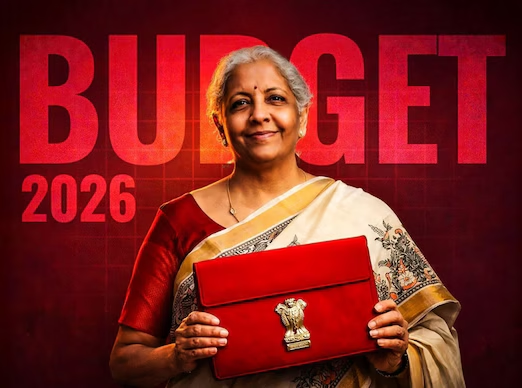
Furthermore, with a massive Capital Expenditure (Capex) outlay of ₹12.2 lakh crore, the government is prioritizing the development of cold chain corridors. This infrastructure is vital for food manufacturers and caterers, as it directly addresses the issue of post-harvest waste and ensures the freshness of farm-to-table supply chains.
Cultural Tourism as a Food Destination Driver
The development of 15 archaeological sites, including historical landmarks like Sarnath and Lothal, into “vibrant, experiential cultural destinations” is expected to create new hubs for the hospitality sector. These sites will not only attract global history buffs but will also serve as platforms for showcasing regional Indian cuisines, further cementing India’s reputation as a premier global food and travel hub.
“Disclaimer: This article was created using AI; the final content reflects the editorial standards and industry focus of Kitchen Herald.”