-Khwaish Hingad (editorial1@imaws.org)
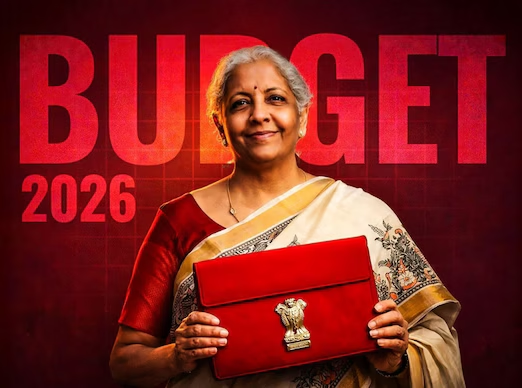
The Union Budget 2026–27 marks a decisive shift in India’s approach to hospitality, transitioning from a focus on individual destinations to a more holistic, purpose-led tourism ecosystem. Finance Minister Nirmala Sitharaman’s announcements underscore a commitment to creating a “resilient and enduring tourism economy” that balances infrastructure development with human capital.
The industry’s most prominent voices see this budget as a vote of confidence, particularly with the landmark proposal to upgrade the National Council for Hotel Management and Catering Technology (NCHMCT) into a National Institute of Hospitality. This structural upgrade, combined with a focus on medical, spiritual, and eco-tourism, aims to elevate India’s service standards to a global benchmark. By integrating AI-enabled knowledge frameworks and enhancing connectivity to Tier II and III cities, the budget seeks to unlock the untapped potential of regional India, ensuring that growth is both inclusive and sustainable.
Below are the thoughts at what hospitality leaders have to share about Union Budget 26-27:
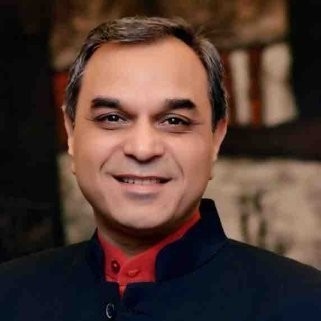
Anil Chadha, Managing Director, ITC Hotels Limited
The Budget’s renewed focus on tourism is a strong vote of confidence in an industry that creates livelihoods at scale, supporting local entrepreneurs, artisans, and communities across the tourism value chain. The proposed upgradation of National IHMs and the NCHMT (National Council for Hotel Management and Catering Technology), alongside structured guide skilling initiatives, will significantly strengthen service quality and global competitiveness in hospitality. The emphasis on medical tourism further positions India as a trusted destination combining care, capability and hospitality. Equally transformative is the push towards a digital and AI-enabled tourism knowledge framework, which will enhance discoverability, planning and destination management. Together, these measures present a timely opportunity to build India’s tourism advantage on quality, authenticity and sustainability.

The Budget announcements mark an important step for India’s tourism sector, integrating healthcare, heritage, sustainability, skilling and digital innovation. These measures will help position India as a global tourism and medical value destination, create employment and drive inclusive, region-balanced growth across the country:

Nikhil Sharma, Managing Director and COO, South Asia, Radisson Hotel Group
We welcome the Union Budget 2026–27 presented by the FM, which lays the foundation for hospitality and tourism to scale responsibly across India while reinforcing the sector’s role in employment generation and regional economic growth. One of the key initiatives is the announcement to set up a National Institute of Hospitality and strengthen the Council for Hotel Management, recognising that skilling will be critical to the sector’s long-term sustainability. The hospitality industry has been reinforcing its talent pipelines through structured training programmes, partnerships with hospitality institutes, and focused efforts to build local capabilities. Overall, the Budget’s integrated approach to infrastructure, destination development, and skill-building creates a positive environment for tourism and hospitality to scale responsibly.
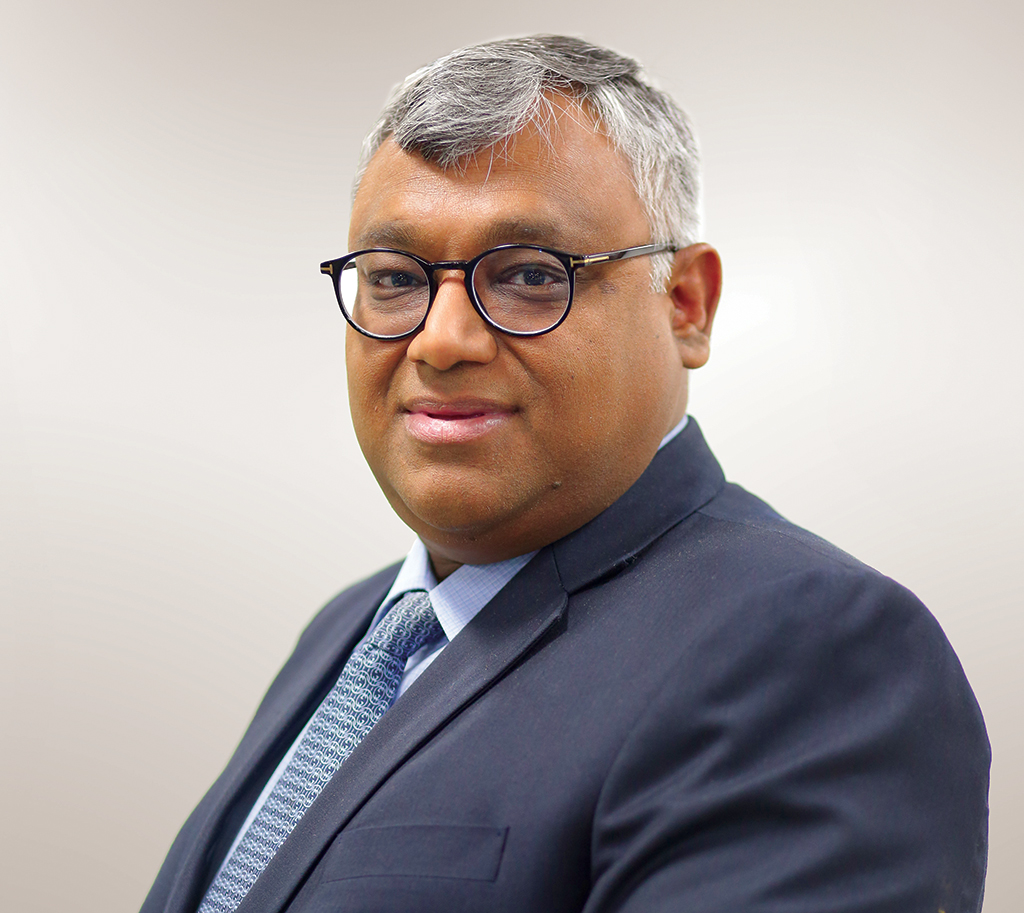
Sudeep Jain, Managing Director – South West Asia, IHG Hotels & Resorts
The Union Budget 2026 delivers a strong structural push to India’s travel and hospitality ecosystem by prioritising tourism, large-scale connectivity projects and the accelerated development of Tier II and Tier III cities. Investments in high-speed rail corridors, destination infrastructure and hospitality skill-building go beyond short-term stimulus and instead lay the foundation for sustained long-term demand creation across the country. As we continue to rapidly scale our multi-brand presence across both metropolitan and emerging cities, improved mobility, stronger regional economies, and enhanced traveller experiences directly translate into higher travel frequency, longer stays and greater investor confidence.
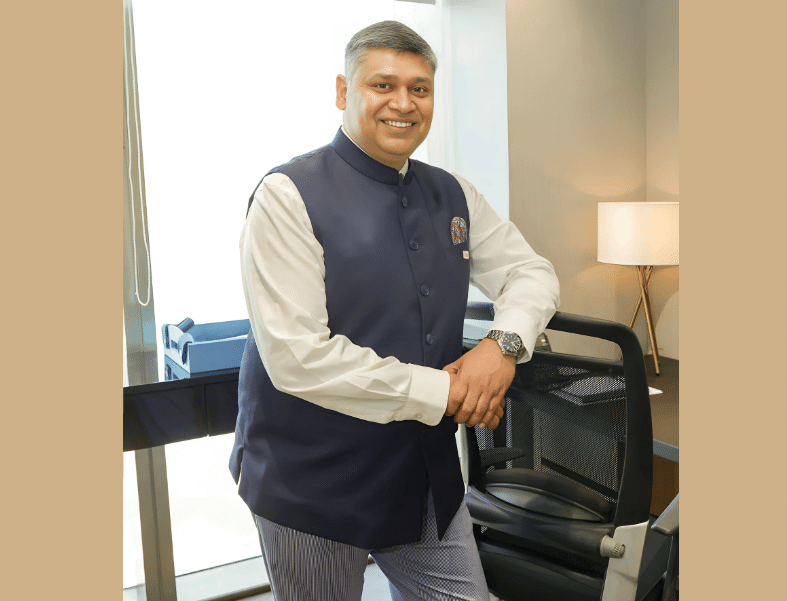
Rahool Macarius, Market Managing Director, Eurasia, Wyndham Hotels & Resorts
We appreciate the government’s focus in the Union Budget 2026, which reinforces India’s commitment to strengthening the hospitality and tourism sector. Initiatives such as world-class hospitality talent hubs, professional guides, and structured skilling programs are expected to elevate visitor experiences, extend stays, and support local economies. Coupled with digital destination initiatives and sustainable eco-trails, these measures will enhance service standards, create dignified livelihood opportunities for young talent, and give a meaningful boost to the overall growth and competitiveness of India’s hospitality sector.
Sandeep Ahuja, Global CEO, Atmosphere Living
What stands out in Budget 2026–27 is the government’s conviction on public capex, raised to Rs 12.2 lakh crore, even as real estate cycles remain selective. The combination of CPSE asset recycling through dedicated REITs, an Infrastructure Risk Guarantee Fund and Rs 5,000 crore allocations per City Economic Region over five years directly improves project viability and lender confidence. Improved logistics under the Coastal Cargo Promotion Scheme further support destination-led hospitality development. On the demand side, simplifying TDS on non-resident property transactions by removing the TAN requirement meaningfully reduces friction for NRI buyers. Together, these measures strengthen capital flow, execution certainty and long-term investability across hospitality-led real estate markets.

Samir MC, CEO, Tamara Leisure Experiences
This budget lays out a coherent, long-term blueprint to take India’s hospitality and tourism sector decisively onto the global stage. The focus on immersive storytelling, destination-led infrastructure, and development beyond metros reflects an approach aligned with building responsible hospitality destinations that are rooted in place, culture, and community. With improved regional and last-mile connectivity, greener mobility solutions, streamlined clearances, and targeted support for Tier II and Tier III cities as growth engines, the ecosystem is becoming more conducive to long-term, responsible growth. Lastly, the emphasis on regional medical hubs and integrated wellness and AYUSH ecosystems further strengthens India’s appeal as a holistic destination, expanding the scope of tourism beyond leisure into healthcare-led, high-value travel. For us, this Budget closely mirrors the long-term vision we have always believed is essential for building meaningful hospitality destinations.

Ranjit Batra, CEO – Ventive Hospitality Limited
The Union Budget 2026 places strong emphasis on disciplined capital allocation, infrastructure execution and outcome-based monitoring, all of which are central to the long-term growth of India’s hospitality and tourism sector. A sharper focus on efficient utilisation of public funds, regional development and urban infrastructure planning improves visibility for hospitality investments, particularly in emerging cities and leisure destinations. Alongside this, continued attention to skilling, employment creation and regulatory consistency supports the sector’s labour-intensive growth model. Collectively, these measures strengthen investor confidence, accelerate destination readiness and enhance India’s competitiveness as a global tourism and events market.
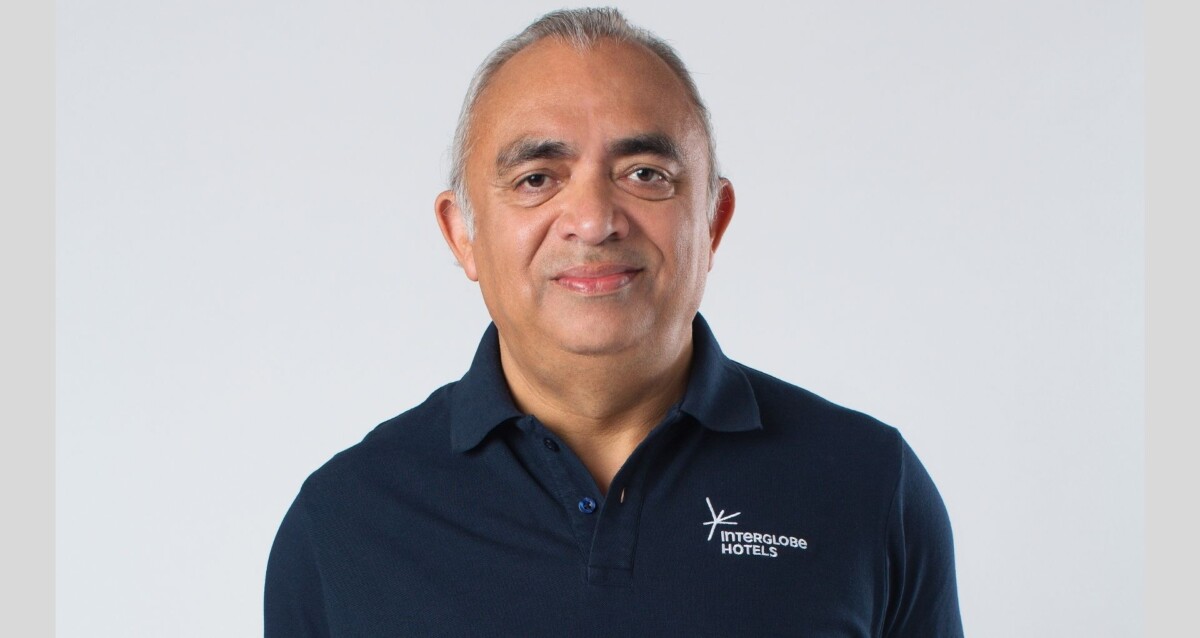
JB Singh, Director, InterGlobe Air Transport and President & CEO of InterGlobe Hotels
The Budget provides a constructive push for India’s travel and hospitality sectors. The development of cultural, heritage, and nature-based destinations, along with emphasis on skilling and institutional capacity-building, reflects a clear focus on strengthening the sector’s competitiveness, talent, and service standards. It also acknowledges India’s growing outbound tourism market, and the rationalisation of TCS on overseas travel supports this momentum. Together, these steps can enhance India’s global standing in travel and hospitality and support the long-term growth of the sector.

Shwetank Singh, MD & CEO, Chalet Hotels Ltd
The Union Budget 2026 represents a significant commitment to elevating India’s tourism and hospitality ecosystem, and we are genuinely encouraged by the Finance Minister’s comprehensive vision for the sector. The upgrade of NCHMCT into a National Institute of Hospitality is transformative: it will create a world-class talent pipeline that bridges industry needs with academic excellence, directly addressing the skilled manpower requirements of our expanding sector. The sector remains focused on three priorities that will unlock exponential scale: comprehensive infrastructure status recognition beyond the current 50 destinations to enable equitable capital access across all hospitality projects; placement of tourism in the concurrent list to strengthen Centre-state policy coordination; and GST rationalisation to enhance competitiveness. With India targeting a $1 trillion GDP contribution from services and 64 million jobs by 2035, these structural enablers will amplify the impact of today’s programmatic investments.
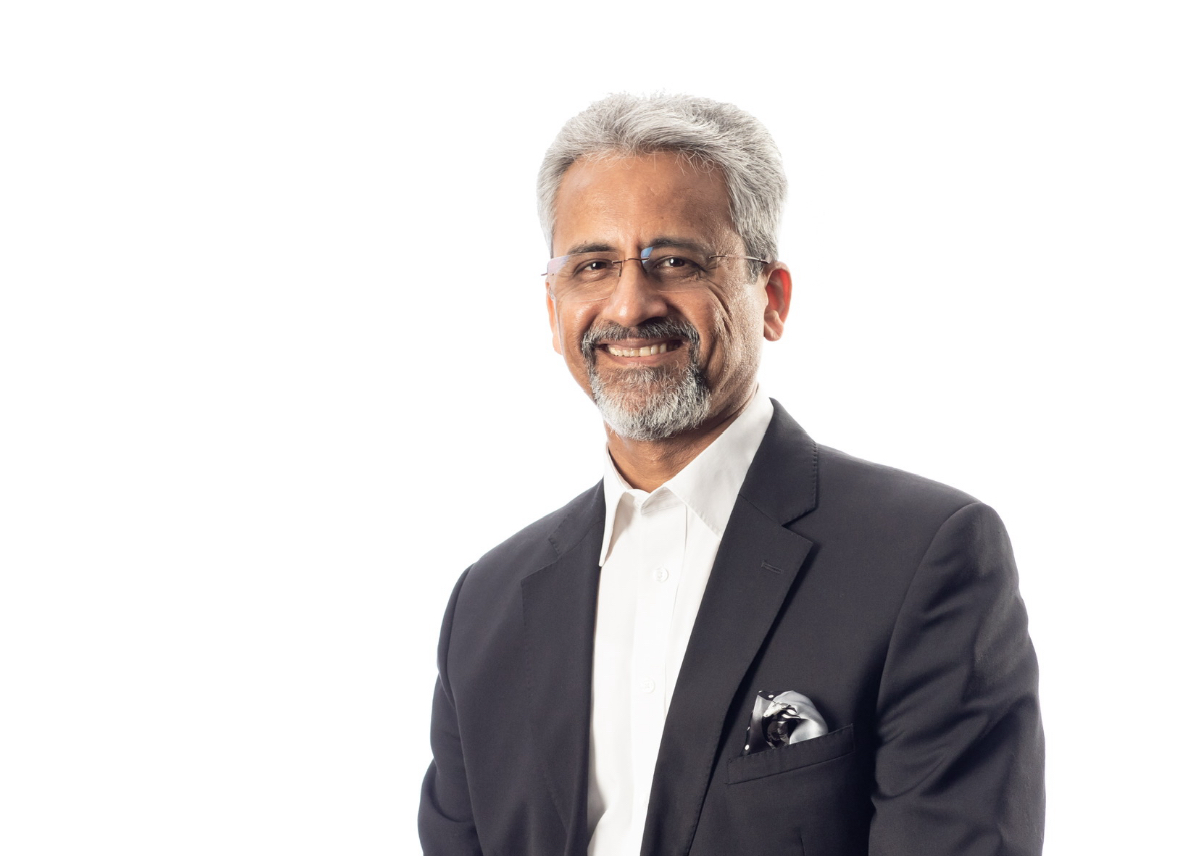
Vineet Verma, Director, Brigade Hotel Ventures Limited
Tourism has finally received the strategic recognition it deserves in this year’s Budget. The emphasis on infrastructure-led development, experiential tourism, and ease of doing business sends a strong signal to investors and operators alike. This can accelerate asset creation, improve quality standards, and unlock the sector’s true economic potential. The Budget’s emphasis on tourism also goes beyond infrastructure and rightly addresses the sector’s biggest gap, skilled human capital. The proposed National Institute of Hospitality, along with focused training of tourist guides and service professionals, can significantly raise quality standards, visitor experience, and global competitiveness of Indian tourism.

Reema Diwan, Vice President – Design & Technical Services at Accor India & South Asia
We warmly welcome the Union Budget 2026-27 for its decisive push to strengthen tourism, hospitality and medical tourism as drivers of jobs and economic growth. The upgrade of the National Council for Hotel Management and Catering Technology into a National Institute of Hospitality is a major step towards building a stronger talent pipeline and closer collaboration between academia, industry and government. The pilot scheme to upskill 10,000 guides across 20 tourist sites through a standardised, high-quality 12-week hybrid programme, along with the National Destination Digital Knowledge Grid, will elevate visitor experience while creating new opportunities for local researchers, historians, content creators and technology partners. The development of 15 archaeological sites into experiential cultural destinations and the launch of Buddhist Circuits in the North-Eastern states will further strengthen heritage and spiritual tourism.

Vikram Lalvani, Managing Director & CEO, Sterling Holiday Resorts
The Union Budget 2026 reflects a clear thematic shift in India’s tourism agenda from destinations to purpose-led journeys. It positions tourism as a multi-dimensional engine anchored in wellness and healing, spiritual and cultural circuits, nature and conservation-led travel, adventure and mountain ecosystems, and stronger regional connectivity that enables exploration beyond metros. Equally significant is the focus on strengthening the sector’s foundations through hospitality education and skilling, structured upskilling of guides, and the creation of a national digital knowledge grid — measures that can raise service standards, enhance visitor experience, and support sustainable destination development. Initiatives spanning Buddhist circuits, sustainable Himalayan hiking trails, medical and wellness tourism, Ayurveda, heritage-led travel, and conservation-linked trails such as Odisha’s turtle nesting corridors together create the right ecosystem for responsible growth where communities, travellers and destinations all benefit. Overall, the Budget creates a strong tailwind for experience-led hospitality and tourism models built around circuits, longer stays and more meaningful travel.

Sarbendra Sarkar, Managing Director & Founder, Cygnett Hotels & Resorts
Budget 2026 presents a comprehensive and future-ready vision for tourism and hospitality, placing India firmly on a high-growth trajectory. The reduction of TCS on overseas tour packages to 2 per cent is a welcome move that improves travel affordability and sentiment, while the rollout of green high-speed rail corridors will redefine inter-city mobility. Faster, sustainable rail connectivity will encourage shorter, more frequent trips and unlock new demand for city and regional hospitality. These initiatives balance conservation with livelihood creation and help diversify tourism beyond traditional markets. The growing focus on medical tourism further positions India as a competitive global destination.

Arjun Baljee, President, Royal Orchid Hotels Ltd & Founder of ICONIQA
The Union Budget 2026 reinforces long-term economic momentum through a strong push on infrastructure expansion, logistics efficiency and ease of doing business, all of which directly strengthen India’s travel and business ecosystem. The proposed Rs 2.78 lakh crore outlay in Railways Capital and Rs 3.10 lakh crore outlay in Roads & Highways is a fundamental shift which is not just about building infrastructure – it’s about building accessibility to experiences. Tier II and Tier III cities with rich cultural heritage but limited connectivity will finally enter the mainstream travel circuit. We’re not just looking at improved logistics for our supply chains; we’re looking at millions of new domestic travellers gaining seamless access to hotels, resorts, and experiences that were previously out of reach. The emphasis on experiential tourism – from developing trekking circuits to curating turtle trails along our coastal ecosystems and enhancing archaeological sites- signals a strong push to evolving traveller preferences.

Rahul Deb Banerjee, Chief Operating Officer, Clarks Hotels & Resorts
The Union Budget 2026-27 introduced significant provisions for the tourism and travel sector, which are expected to give a major boost to India’s tourism and hospitality industry. The government’s focus on upskilling and training through the institutionalisation of hospitality education will ensure the availability of a skilled workforce capable of meeting global standards in the industry, witnessing rapid growth and high domestic and international demand. Further, identifying historical, spiritual, and medical destinations to create specialised, high-value tourism hubs would attract niche tourists and boost local economies. For the travel and tourism sector, projected to grow at 7.1 per cent annually, these steps would encourage private investment and long-term sustainable growth.

Sumit Mitruka, Founder & CEO, Summit Hotels & Resorts
Improved high-speed rail connectivity to Siliguri is a landmark step for the Northeast, with the potential to fundamentally reshape how the region is discovered and experienced. Through the bullet train, faster and more reliable access will reduce travel fatigue, encourage longer stays, and make destinations across Sikkim, North Bengal and the wider Northeast more attractive for both domestic and international travellers. For the hospitality sector, this means stronger seasonality balance, improved viability for off-beat locations, and greater confidence for long-term investment in responsible tourism infrastructure. Equally significant is the announcement around the development of new trekking routes. The Northeast has some of India’s most pristine landscapes, but much of this potential has remained untapped due to limited access and fragmented planning. Structured trekking corridors, developed with safety, sustainability and local participation at the core, can unlock high-value experiential tourism while preserving ecological integrity. Well-planned trails will generate livelihoods for local guides, porters and homestay owners, while also dispersing tourist footfall beyond a few overcrowded destinations. Together, high-speed connectivity and curated adventure tourism create a powerful ecosystem, one that supports regional economies, promotes cultural exchange, and positions the Northeast as a year-round experiential destination rather than a seasonal getaway.

Richa Adhia, Managing Director, Eight Continents Hotels & Resorts
We appreciate the government’s focus in the Union Budget 2026 on creating dignified livelihood opportunities and nurturing young talent within India’s hospitality sector. Investments in professional guides, world-class hospitality talent hubs, and skill development initiatives will raise service standards and strengthen local employment. Alongside these workforce measures, efforts to reimagine heritage sites, promote digital destinations, expand eco-trails, and develop sustainable adventure and medical tourism are expected to boost visitor engagement and attract global travellers. Together, these initiatives signal a forward-looking and positive Budget for the hospitality industry.

Manju Sharma, Managing Director, Jaypee Hotel and Resorts
The Union Budget 2026 clearly recognises tourism and hospitality as key drivers of employment, foreign exchange, and regional growth. The proposed National Institute of Hospitality, through the upgradation of NCHMCT, will significantly strengthen talent development and service excellence across the sector. The pilot upskilling programme for tourist guides is a timely move towards delivering consistent, high-quality experiences at India’s most iconic destinations. The creation of a National Destination Digital Knowledge Grid is a particularly forward-looking step, combining heritage preservation with digital enablement and opening new avenues for research, content creation, and destination storytelling. The focus on sustainable nature and eco-tourism across trekking, wildlife, birding, and coastal trails demonstrates a balanced approach that aligns tourism growth with environmental responsibility.

Sanat Hooja, Partner, Machan Resorts
Budget 2026 sends a clear signal that tourism growth must go hand in hand with environmental responsibility. Investments in connectivity, destination skilling, and digital documentation of cultural and natural assets will help disperse tourism beyond crowded centres, creating balanced growth for both established and emerging destinations. For resorts operating in sensitive ecosystems, such measures encourage thoughtful development rather than volume-led expansion. The continued emphasis on sustainability-driven initiatives is encouraging; however, streamlined licensing processes and clearer, single-window approvals will be critical in enabling both small and large establishments to adopt eco-friendly infrastructure efficiently. Greater institutional support for sustainable practices will further empower responsible operators to invest with confidence.

Manoj Bhat, Managing Director & CEO, Mahindra Holidays & Resorts India Ltd
The focus on destination development beyond metros, improved physical connectivity, and a sharper push on spiritual and heritage circuits reflects a recognition that tourism growth must be geographically distributed and locally rooted. As the sector expands into Tier II and III markets, the availability of trained talent will determine not just service quality but the sustainability of growth itself. By linking infrastructure creation with human capital development, the Budget moves the conversation from short-term demand creation to building a resilient, employment-generating tourism ecosystem.

Ayu Tripathi, Director, Aahana Resort
It is encouraging to see the Union Budget recognise tourism as a strategic economic catalyst driving employment, strengthening local enterprise, and contributing to foreign exchange while placing India’s cultural and natural heritage at its core. For Uttarakhand, the emphasis on sustainable and responsible tourism is particularly significant, as the state’s long-term appeal is intrinsically linked to the protection of its forests, rivers, and biodiversity. The proposal to upgrade the National Council for Hotel Management & Catering Technology into a National Institute of Hospitality, alongside structured upskilling of 10,000 guides, will meaningfully enhance service quality and destination interpretation. Initiatives such as the National Destination Digital Knowledge Grid and curated experiences like bird-watching trails further reinforce a model of tourism rooted in knowledge, conservation, and community engagement an approach that aligns strongly with the ethos of Jim Corbett National Park. Overall, the measures outlined lay the foundation for a more resilient and enduring tourism economy, built on skill development, environmental stewardship, and shared community benefit.

Ambika Saxena, CEO, TWH Hospitality
The Budget signals a clear shift in positioning tourism as a core economic growth driver rather than a peripheral sector. The structured development of destinations, along with improved connectivity, will expand India’s viable hospitality markets beyond established hubs. With stronger destination infrastructure and a more robust talent pipeline, the industry gains better long-term demand visibility, investment confidence, and the ability to scale sustainably. For investors, this means new hospitality micro-markets emerging in regions that were previously constrained by access and ecosystem gaps. Over time, this could support the viability of mid-scale and experiential formats, not just luxury developments.
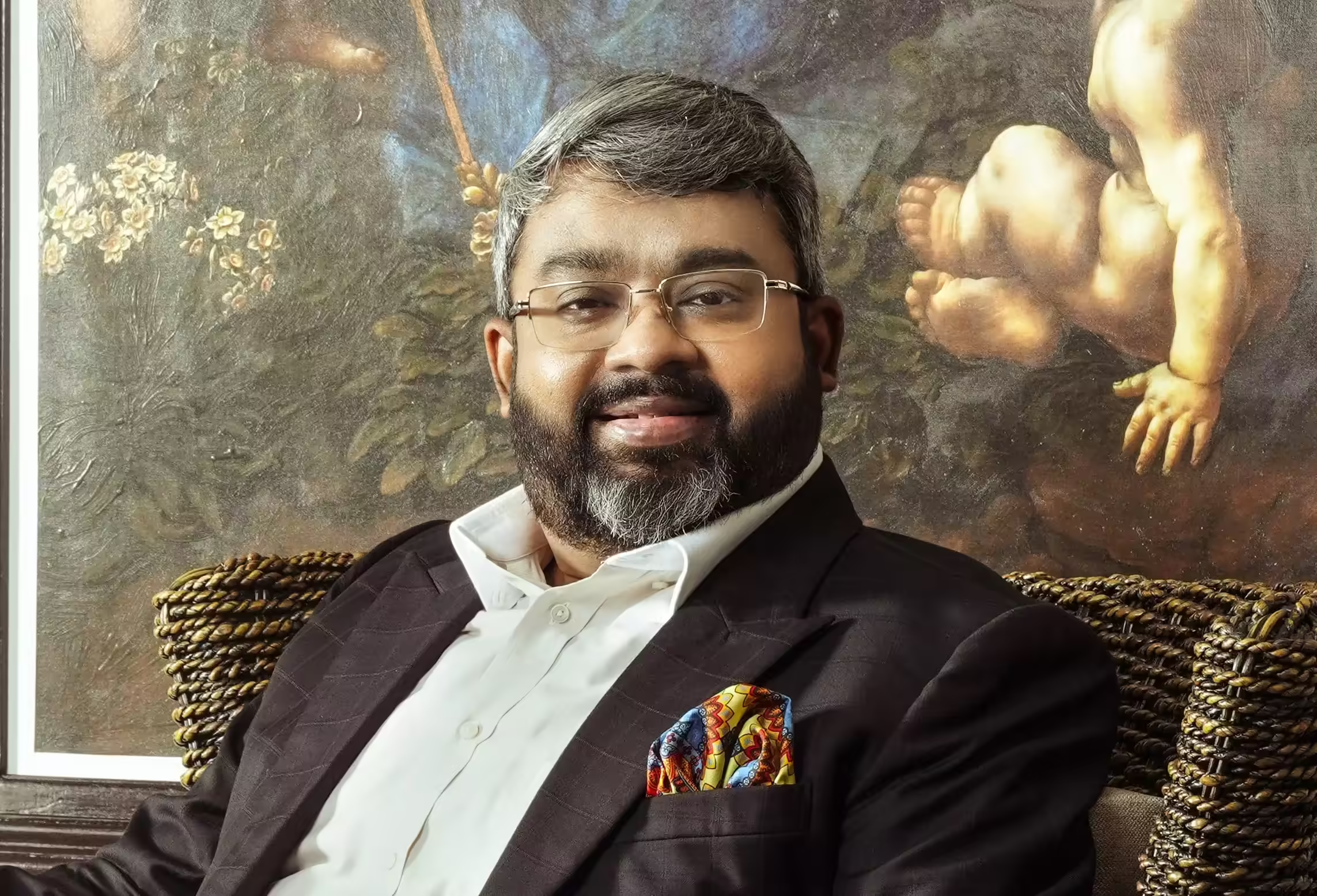
Jai Sreedhar, CEO & JMD, Rosetta Hospitality
The Union Budget 2026 marks a pivotal shift for India’s hospitality ecosystem, with tourism being positioned as a key engine of employment-led growth. The government’s focus on structured upskilling and industry-aligned training, including the establishment of a National Institute of Hospitality and comprehensive skill enhancement programmes, addresses a critical and long-standing need of the sector at a time when service capability is emerging as a decisive brand competitive advantage. By strengthening the talent pipeline and elevating service standards, these initiatives have the potential to fundamentally reshape how India prepares its hospitality workforce. Empowering professionals with globally benchmarked capabilities will not only create sustainable quality employment but also raise the quality, consistency, and global relevance of India’s tourism offerings. Looking ahead, long-pending structural enablers such as granting industry status to hospitality and rationalising GST will be imperative to further strengthen investment flows, operational efficiency, and sustainable growth across the sector.
Building a Resilient Talent and Tech Pipeline
In summary, the 2026 Budget provides the hospitality sector with the “strategic recognition” it has long advocated for. The sentiment across the board—from luxury chains to boutique resorts—is one of cautious optimism and renewed vigor. The focus on skilling 10,000 guides and creating a National Destination Digital Knowledge Grid addresses the critical gap between infrastructure and experience, ensuring that as India builds more, it also serves better.
While leaders still hope for broader “industry status” and GST rationalization, the current measures lay a robust foundation for $1 trillion in GDP contribution by 2035. By prioritizing accessibility through high-speed rail and roads, and emphasizing environmental stewardship through sustainable trails, the government is not just inviting tourists to visit; it is inviting them to stay longer and engage more deeply. The road ahead for Indian hospitality is now paved with a clear mandate: to blend quality, authenticity, and innovation into a world-class travel experience.