The Art of Consistency: Resisting the Fickle Tides of Food Trends
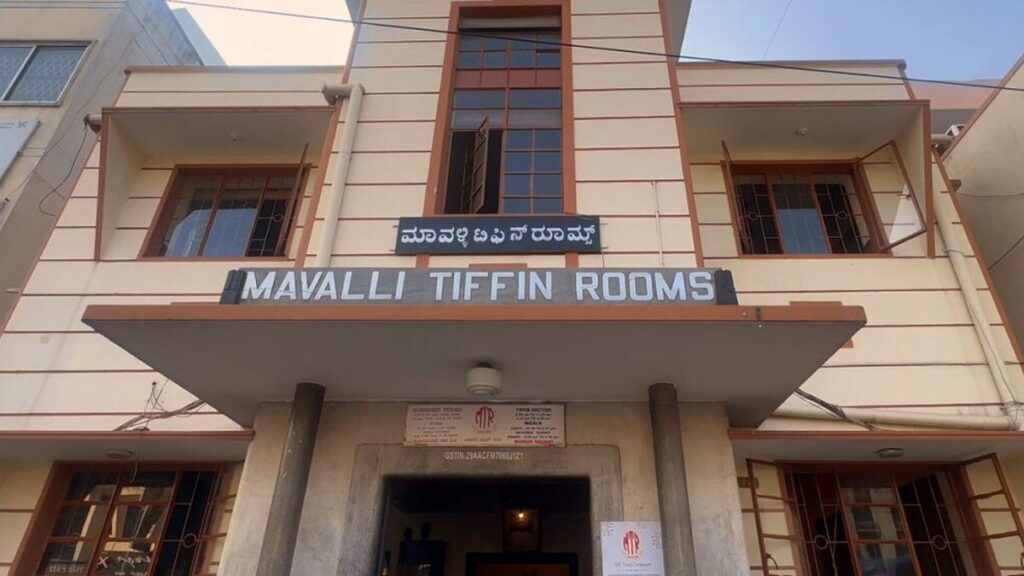
In an industry obsessed with innovation, MTR’s secret weapon is its spectacular lack of change. Mr. Maiya explains that the brand has consciously resisted the temptation to chase fleeting trends, ensuring that the experience remains identical to what their great-grandparents created.
“We’ve kind of resisted change in the sense that whatever we’ve been serving for the last 100 years, we still continue to serve,” Mr. Maiya confirms. “We haven’t changed our core menu or the way we do things, and it still remains the same.” This philosophical resistance has ironically positioned MTR at the forefront of a global surge in South Indian cuisine.
Far from seeing their cuisine fall out of favor, Mr. Maiya observes a compelling counter-trend across India. “On the contrary, I think the demand is strong; I see people from northern and eastern India are more open to kind of exploring these options,” he notes. “I see everybody talking about an idli or a dosa wherever I go, at least as far as breakfast goes,” he says, pointing out the growing pan-Indian popularity of their staple offerings.

The Science of Quality: Replicating Taste Across Borders
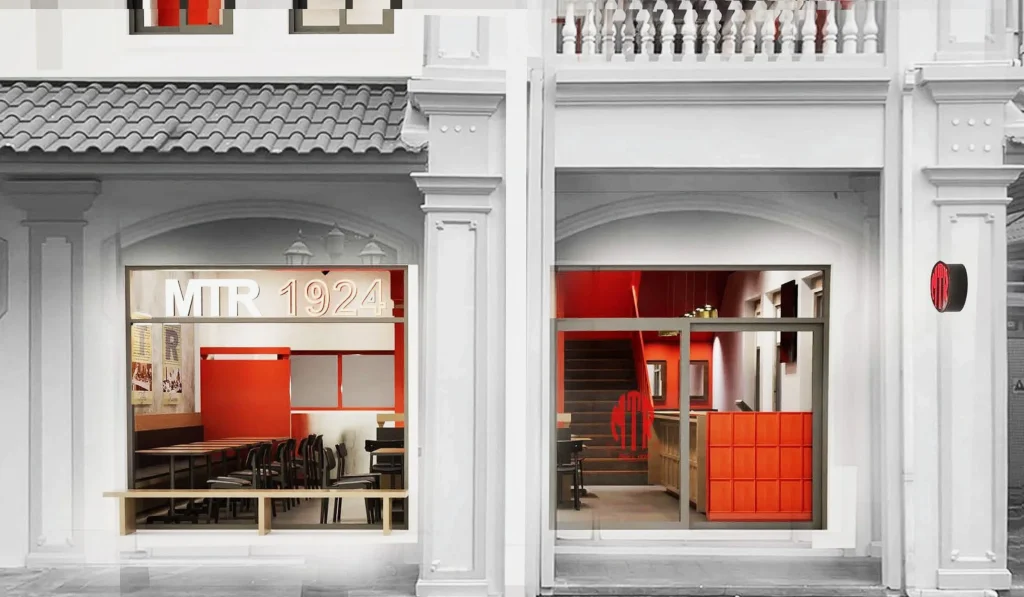
The greatest challenge for any expanding legacy brand is guaranteeing that the taste of the original kitchen is perfectly reproduced globally. For MTR, this critical issue was solved through the process of meticulous standardization, which was first triggered by opening their maiden franchise in Singapore.
The century-old process of training chefs for three to four years was converted into a precise, scalable system. “We standardized everything across the menu and started training our chefs accordingly, where every item, like upma, has a written-down, standardized ‘cookbook’ process,” Mr. Maiya reveals. “This includes precise details like how much tarka, water, and coriander must go into a specific half kilo of upma mix.”
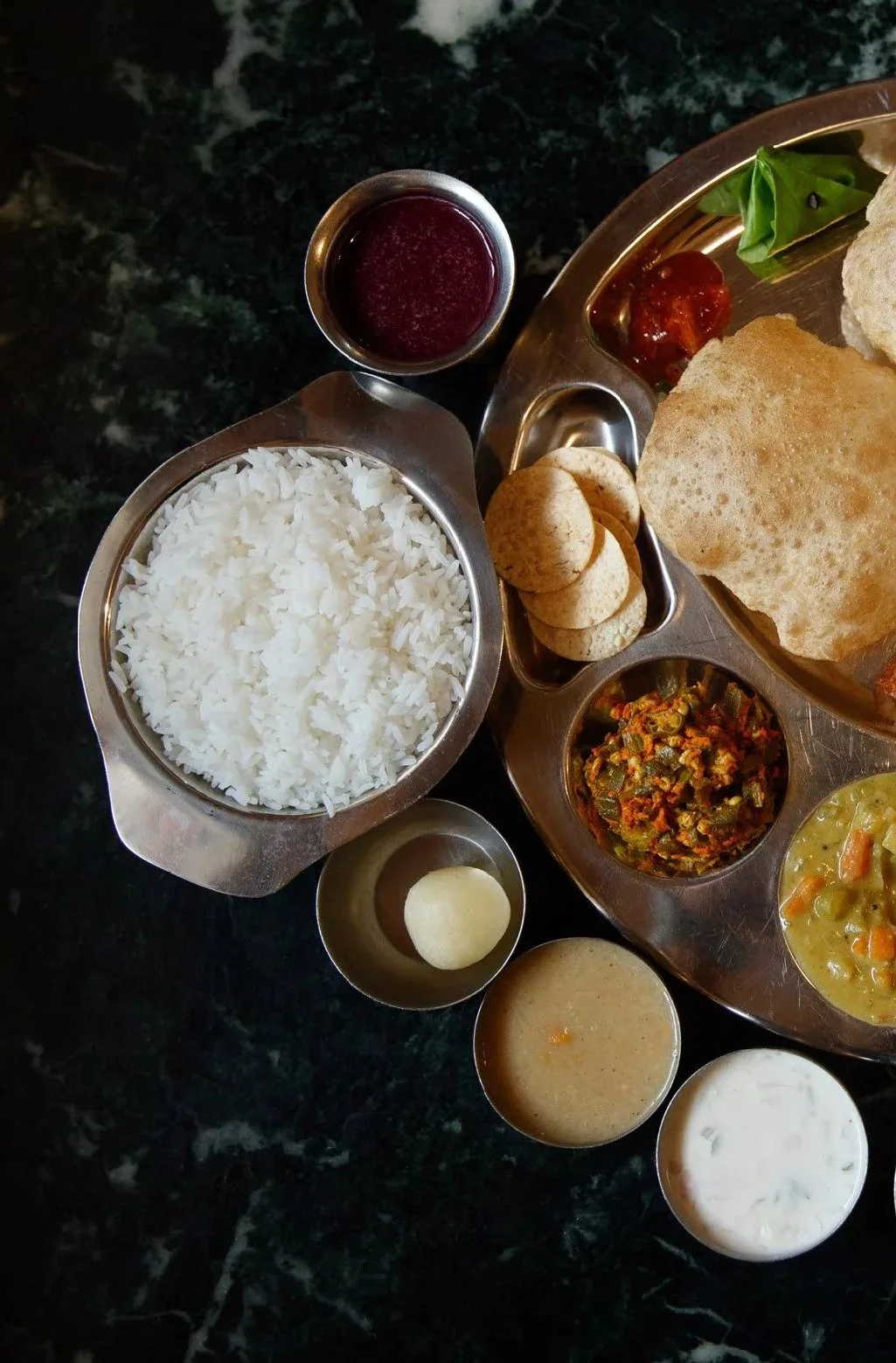
Crucially, MTR ensures flavor consistency abroad by controlling the supply chain. “All the masalas and mixes, along with core ingredients including the coffee seeds, are shipped out from Bangalore to every one of our locations worldwide,” Mr. Maiya clarifies. “Only items like lentils, rice, and fresh vegetables are bought locally,” he adds, ensuring the distinct MTR flavor profile is never compromised.
The Workforce: The Human Element in a Traditional Kitchen
The MTR hiring and training process is a blend of social responsibility and rigorous standardization, ensuring that a century-old taste remains consistent across the globe. About 75-80% of their workforce is sourced from specific regional districts like Nagamangala, with a preference for loyal, hardworking individuals who are looking for long-term stability rather than rapid career hopping. “These are all boys who are fourth to sixth standard pass… they are the guys who stick around and aren’t looking to make quick money,” Mr. Maiya explains.
While the training once took three to four years for a chef to master the art of hand-roasting masalas, MTR has revolutionized this into a “game of numbers” through a centralized “cookbook” system. Every recipe is now an exact science; for example, a trainee is taught precisely how much water, tarka, and coriander must go into a specific half-kilo of upma mix. This meticulous standardization allows a capable individual to learn the entire menu in just a few months, bridging the gap between traditional craftsmanship and modern scalability.
Navigating the Digital Shift: The Quality Compromise
The rise of digital delivery platforms has introduced a new layer of operational complexity. While Mr. Maiya acknowledges their lifeline role during the pandemic, he remains a purist when it comes to the product.
“At the same time I think without Swiggy we would not have come out from the COVID Lockdown era,” he admits. However, he is unflinching about the impact on the final product. “Quality is compromised with food delivery; there is absolutely no doubt about that,” Mr. Maiya contends. “Everything is compromised the minute you put it into a box and shut it because its ‘after-life’ has gone,” he explains, confirming that the MTR experience is best enjoyed within the four walls of their restaurants.

Expansion: Setting Sights on Sydney
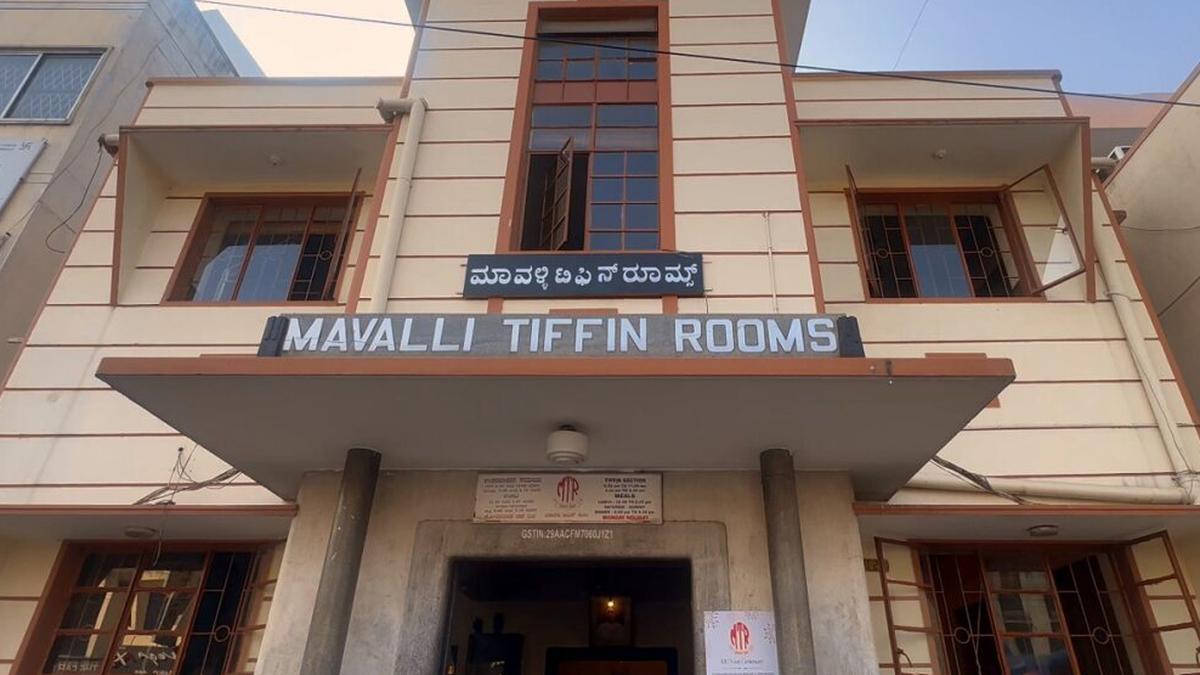
While MTR’s reputation is partly built on the legendary queues outside its flagship branch, Mr. Maiya reveals that those very queues were the primary motivation for expansion. “The reason we started expanding was because we wanted to eliminate the excessive wait times,” he recalls.
Today, the brand’s expansion model remains organic and opportunistic. MTR does not follow rigid five-year plans but responds to the right partners at the right time. Currently, the brand is preparing for a significant milestone: the upcoming expansion into Sydney, Australia.
This move represents a bold next step for the brand as it navigates the complexities of the Australian market. “Immigration is much more [complex]… compared to the UK, US, or if you’re going to Australia,” he notes, referring to the high standards MTR sets for bringing its own trained staff to new locations. Despite the logistical rigor involved, the move to Sydney is a clear signal of MTR’s global ambitions. The brand is committed to ensuring that the vibrant South Indian community and food lovers in Australia get the same authentic experience that customers in Bangalore have enjoyed for a century.
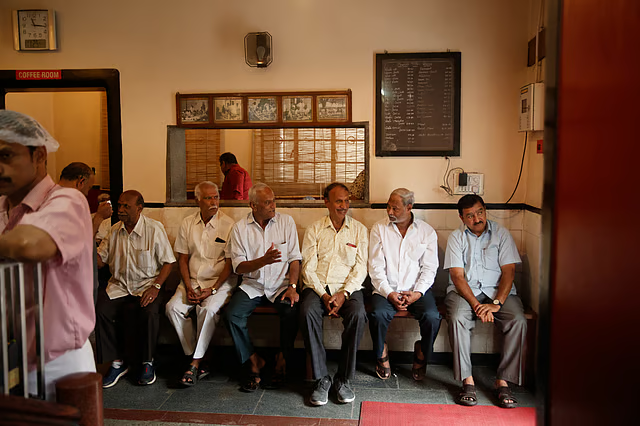
The Pursuit of a Smile
As MTR enters its second century, its path forward is a blend of rigid tradition and strategic growth. Whether in the heart of Karnataka or the bustling streets of Sydney, the ultimate goal remains timeless and deeply human.
“All you are looking for is a smile on your customer, but it is one of the hardest things to achieve,” Mr. Maiya concludes. “You know how hard it is to get that smile out of a customer without any complaints about the food,” he says, defining the constant, humbling pursuit of perfection that powers MTR’s enduring legacy. For MTR, expansion isn’t just about reaching new cities; it’s about exporting a century of comfort, one smile at a time.