-KH News Desk (editorial1@imaws.org)
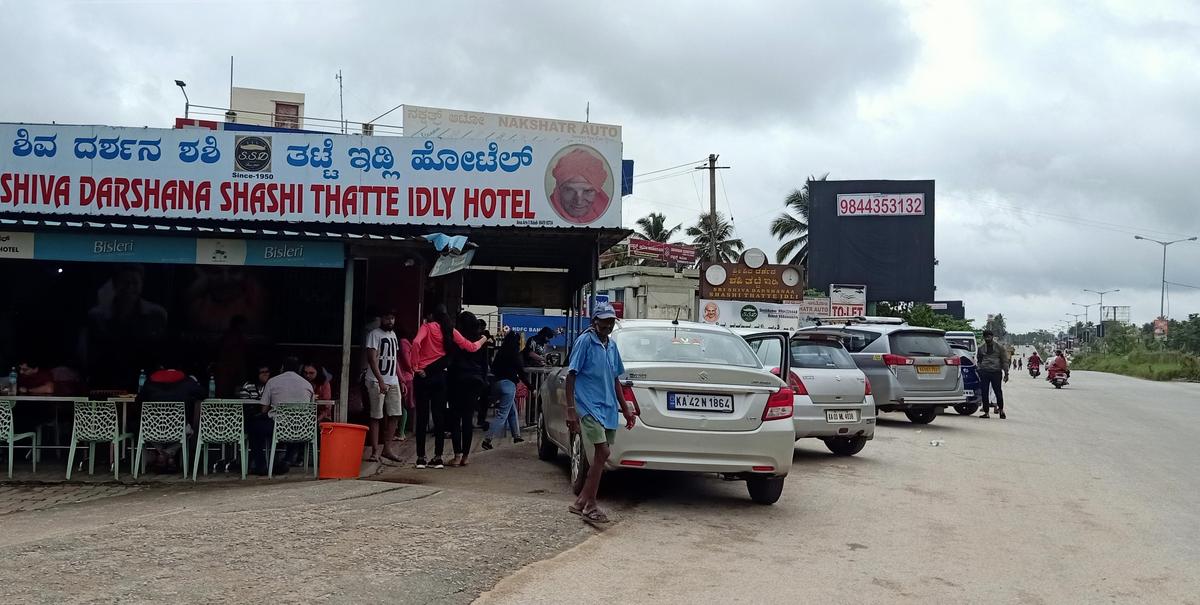
The hospitality industry in Mysuru has expressed strong support for the recent amendments introduced by the Food Safety and Standards Authority of India (FSSAI). The new rules, which transition food licenses from a renewal-based system to a lifetime validity model, are being hailed as a major step toward enhancing the “Ease of Doing Business” in the sector.
Previously, hoteliers and food business operators (FBOs) were required to renew their licenses every one to five years, a process often cited as administratively cumbersome. Under the amended regulations, a license will remain valid for the lifetime of the establishment, provided that a simple annual declaration and the prescribed fee are submitted.
Key Changes in the FSSAI Amendment:
-
Lifetime Validity: Eliminates the need for periodic renewal applications, reducing paperwork and the risk of accidental license expiration.
-
Revised Turnover Limits: The threshold for various license categories (Petty, State, and Central) has been updated to reflect current economic conditions, allowing many small-scale operators to remain under simpler regulatory tiers.
-
Automated Processes: The amendments emphasize digital-first compliance, with automated systems for fee payments and annual filings.
-
Ease for MSMEs: Small and medium-sized hotels and restaurants, which form the backbone of Mysuru’s tourism economy, are expected to be the primary beneficiaries of these reduced compliance costs.

Industry Reaction The Mysuru Hotel Owners’ Association has welcomed the move, noting that the “Inspector Raj” era is effectively being replaced by a system based on trust and self-regulation. C. Narayana Gowda, President of the association, stated that this long-pending reform will allow hoteliers to focus more on food quality and guest service rather than administrative hurdles.
Strategic Impact For a heritage tourism hub like Mysuru, where the hospitality sector is highly fragmented with many legacy establishments, these changes simplify the regulatory landscape. However, authorities have clarified that while the license is “lifetime,” strict enforcement of safety standards will continue, and licenses can still be suspended or canceled in cases of non-compliance with hygiene protocols.