– B Swaminathan | IMAWS (swami@imaws.org)
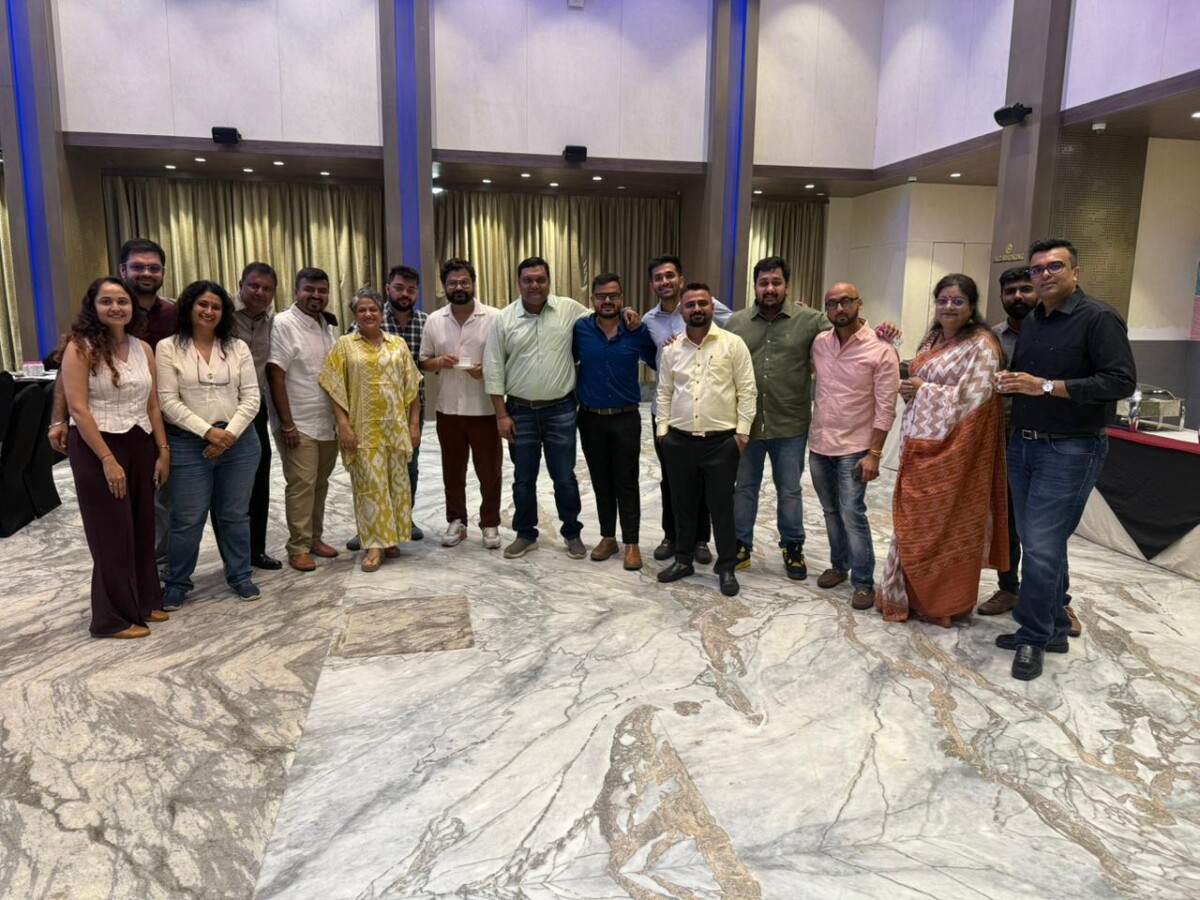
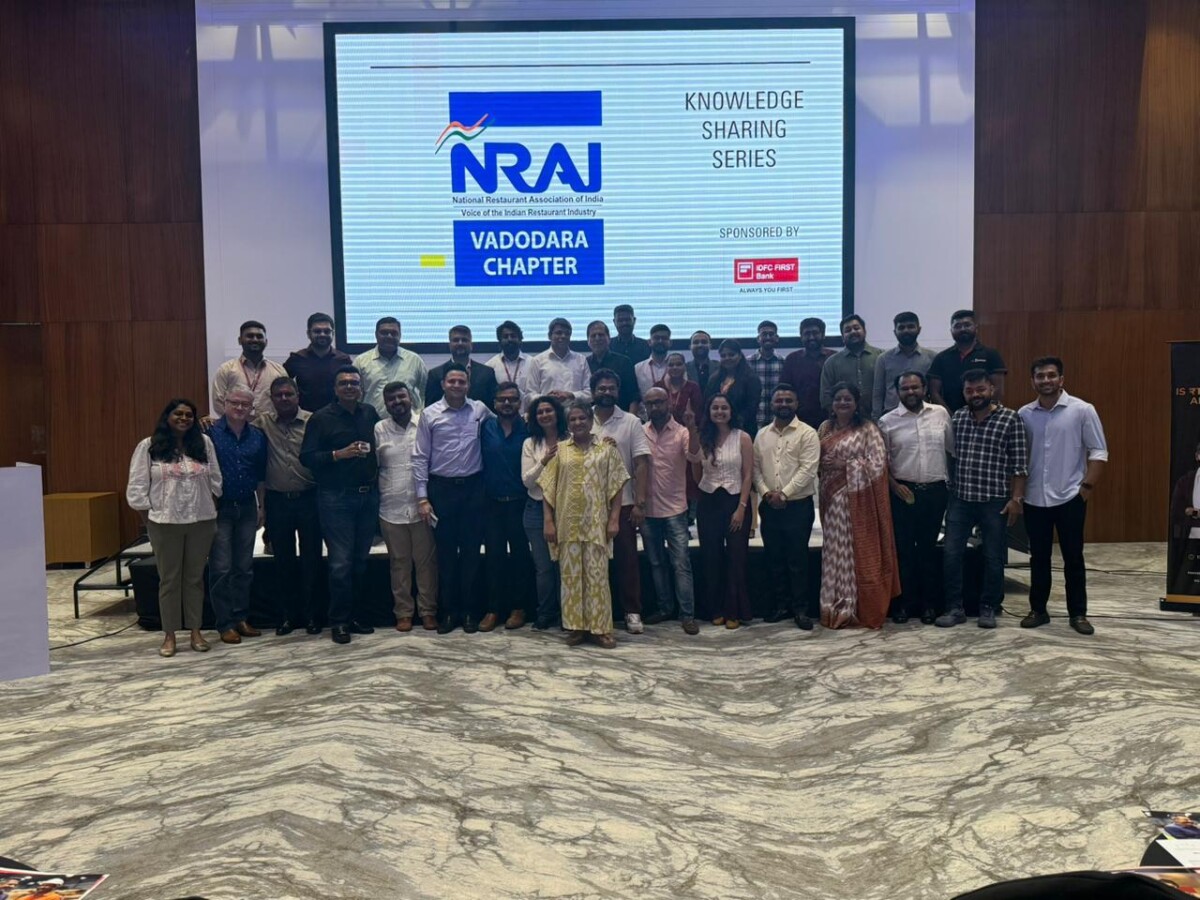
Vadodara — The National Restaurant Association of India (NRAI) Vadodara Chapter has launched a comprehensive membership expansion drive aimed at integrating the city’s rapidly diversifying food service industry into the organized sector. This initiative seeks to transition the local industry from informal networking toward a professionalized corporate structure, specifically targeting the surge of new cafes, cloud kitchens, and international culinary formats entering the market.
Strategic Growth and Market Diversification
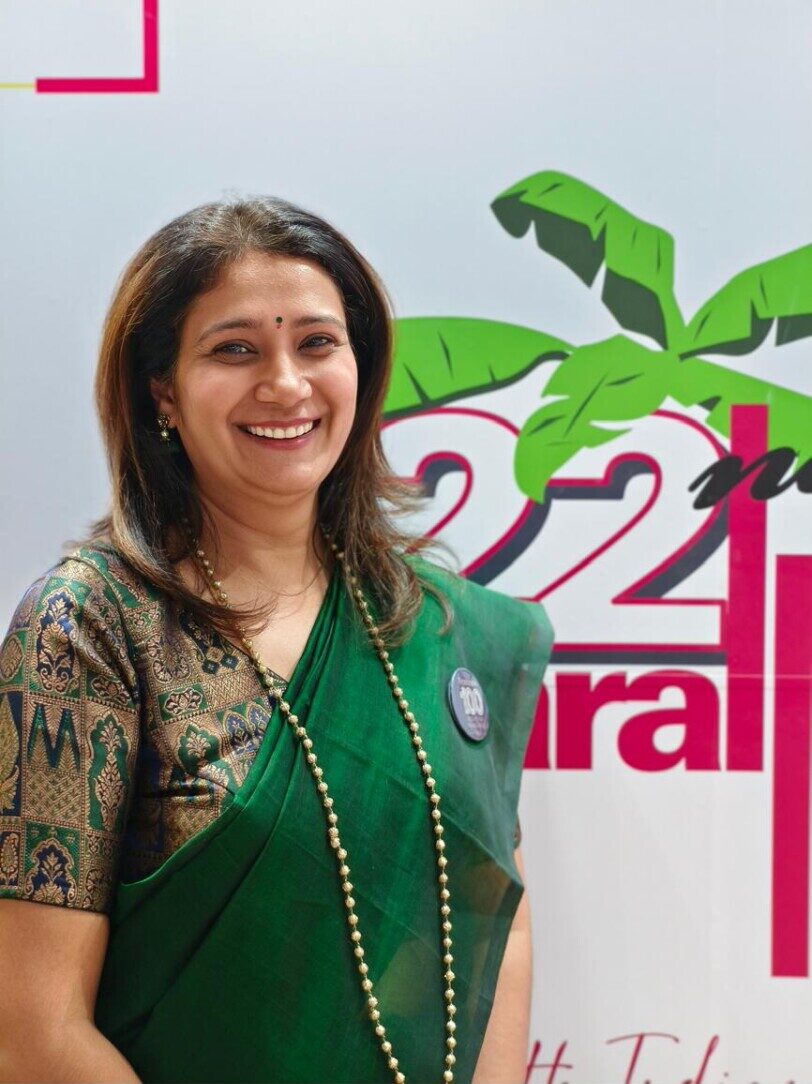
The expansion of the Vadodara Chapter reflects a broader shift in the regional economy, where traditional manufacturing families are increasingly diversifying capital into the hospitality segment. This trend is driven by quicker capital rotation and lower entry barriers compared to heavy industry. Deepti Sarma, Co-Chapter Head of NRAI Vadodara, in an exclusive chat with Kitchen Herald, noted that the association has evolved from a digital information-sharing group into a primary advocate for the city’s food community.
The market is currently seeing a significant influx of “Second Generation” entrepreneurs who are bringing global standards to the local landscape. This demographic shift is supported by an increase in disposable income and a “global-local” trend, where residents demand high-quality, authentic cuisines. From high-concept artisanal coffee chains to the global expansion of local brands like The Secret Kitchen, Vadodara is positioning itself as a sophisticated culinary competitor to larger metros like Mumbai and Ahmedabad.
The Mumbai Migration and Global Influence
Baroda has traditionally had a strong Maharashtrian influence because the ruling Gaekwad family was Maharashtrian. Sayaji Rao was a great connoisseur of art and culture, which consistently attracted talent from across the country to make Baroda their home. In addition, the presence of public sector undertakings such as IOCL and IPCL (now Reliance) has drawn people from all over India to the city. This has played a significant role in shaping and promoting a cosmopolitan food culture.

A significant catalyst in the city’s culinary evolution is the shifting demographic landscape, particularly the influx of individuals migrating from Mumbai due to marital and professional ties. As business families from Mumbai relocate to Vadodara, they bring with them a deeply ingrained cosmopolitan food culture and high expectations for service and variety. This migration acts as a bridge, import
ing the latest metropolitan trends and a demand for diverse dining experiences that range from authentic street food to avant-garde fine dining.
Furthermore, Vadodara’s residents are increasingly well-traveled, with a high percentage of the population having extensive international exposure across Europe, North America, and Southeast Asia. This “global-local” synergy means that consumers are no longer satisfied with localized versions of international dishes; they seek the specific ingredients and authentic preparation methods they have experienced overseas. This sophisticated palate is pushing local restaurateurs to innovate and replicate global standards, resulting in a vibrant market where cuisines from Korea, Japan, and Italy are becoming household staples.
Industrial Investments: The Hidden Treasure for Restaurateurs
A major tailwind for the local food industry is the massive wave of industrial and infrastructure investment currently pouring into Gujarat. As the state secures multi-billion dollar projects in semiconductors, green energy, and aerospace, Vadodara has emerged as a critical residential and logistical hub for a new class of high-earning professionals. For restaurant owners, this industrial boom is a “hidden treasure,” providing a consistent stream of corporate catering contracts, high-end business lunches, and a sophisticated clientele that values premium dining experiences.
The proximity of mega-projects and the improvement in transit corridors—such as the high-speed rail and expanded highway networks—have made Vadodara an attractive base for multinational executives and specialized consultants. This influx of “expat” and out-of-state talent is driving a demand for diverse international cuisines and 24/7 dining options. Restaurateurs who once relied solely on local weekend crowds are now pivoting to serve a consistent, weekday corporate market, significantly stabilizing revenue cycles.
Labor Dynamics and Socio-Economic Impact
Beyond commercial growth, the NRAI is highlighting the industry’s role as a critical employer of the informal workforce. As the second-largest employer in the country, the restaurant sector provides a vital social safety net by hiring individuals with limited formal education, offering them housing, meals, and professional training. Sarma emphasizes that by channelizing vulnerable youth into the workforce, the hospitality sector prevents a significant socio-economic burden on the state and steers the younger demographic toward productive careers.
The association is also focusing on the “human” element of growth, ensuring that as restaurants scale, the quality of life for staff improves alongside business margins. By providing a structured environment for employment, the industry acts as an unofficial vocational training ground, teaching essential soft skills and service standards to thousands of young workers who enter the sector with zero prior experience.
Regulatory Advocacy and Infrastructure Needs
A primary objective of the membership expansion is to create a unified front to lobby for “Ease of Doing Business” reforms. The NRAI is currently advocating for a “single-window” clearance system in Vadodara to eliminate the administrative maze of multi-departmental inspections. The association argues that a streamlined regulatory environment—mirroring the model in Ahmedabad—would allow for faster innovation and better compliance.
Key policy priorities for the association include:
- Administrative Reform: Implementation of a unified umbrella for municipal coordination to replace overlapping departmental visits.
- Fiscal Incentives: Addressing high GST rates on essential industry inputs, such as cutleries, to encourage service innovation.
- Compliance Education: Moving toward an “education-first” regulatory model where hoteliers receive warnings and guidance rather than immediate financial penalties.
- Skill Development: Collaborative efforts with the government to bridge the gap between unemployed youth and the high demand for skilled staff.
Future Outlook: Mentorship and Professionalization
As the NRAI Vadodara Chapter seeks to extend its reach to other cities like Gandhinagar and build a more vibrant community across Gujarat, the focus remains on long-term sustainability through mentorship. The association plans to launch regular workshops and training sessions designed to help new entrants streamline their operations and adhere to FSSAI norms. By focusing on passion-led innovation rather than just capital infusion, the NRAI aims to ensure that Vadodara serves as the blueprint for an organized, transparent, and thriving food sector.