-B. Swaminathan
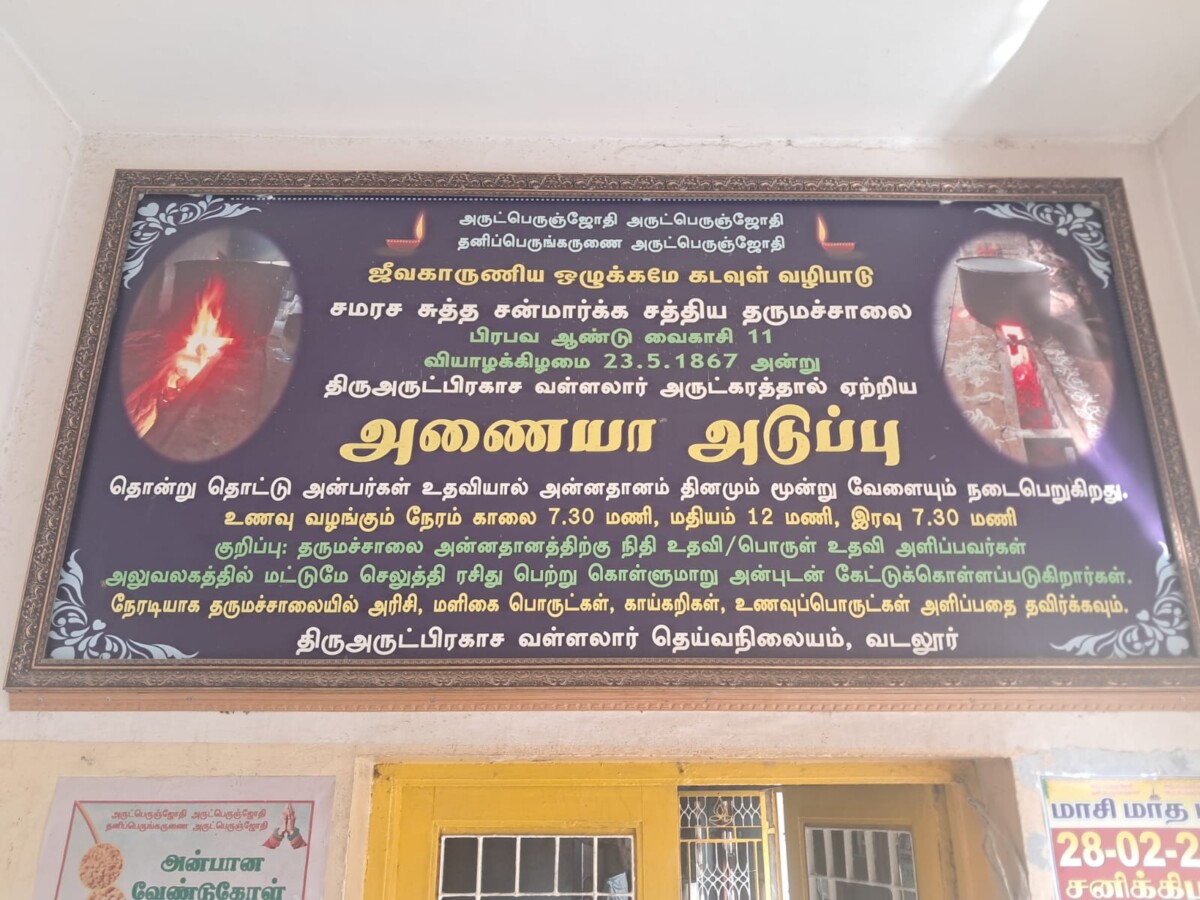
‘Arut Perum Jothi Thani Perun Karunai’ (Vast Grace-Light, Supreme Unique Compassion)—these are the words that welcome you into the divine kitchen in Vadalur, a small town 200 km from Chennai. What started as one man’s vision to eradicate poverty has become a kitchen that has never gone cold for a single day since 1867. The only qualification to enter? A hungry stomach.
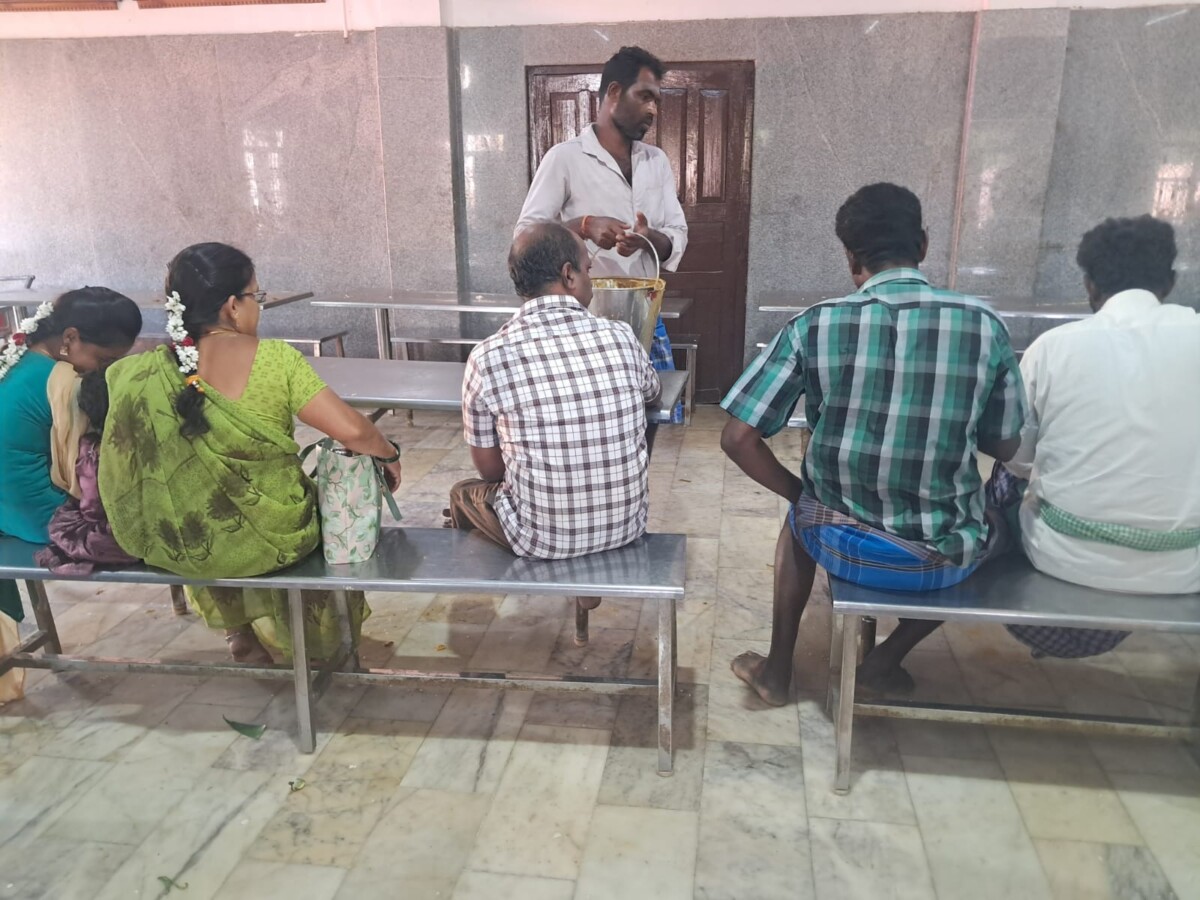
Founded on the core principle of Jeeva Karunyam (compassion for all living beings), the campus is often filled with the poor, the differently-abled, the sick, and the elderly. For many, this kitchen—which feeds the needy 24/7, 365 days a year—is their only hope. This community-supported system allows the kitchen to function at a massive scale, successfully feeding close to 3,500 people every day.
Where it All Started
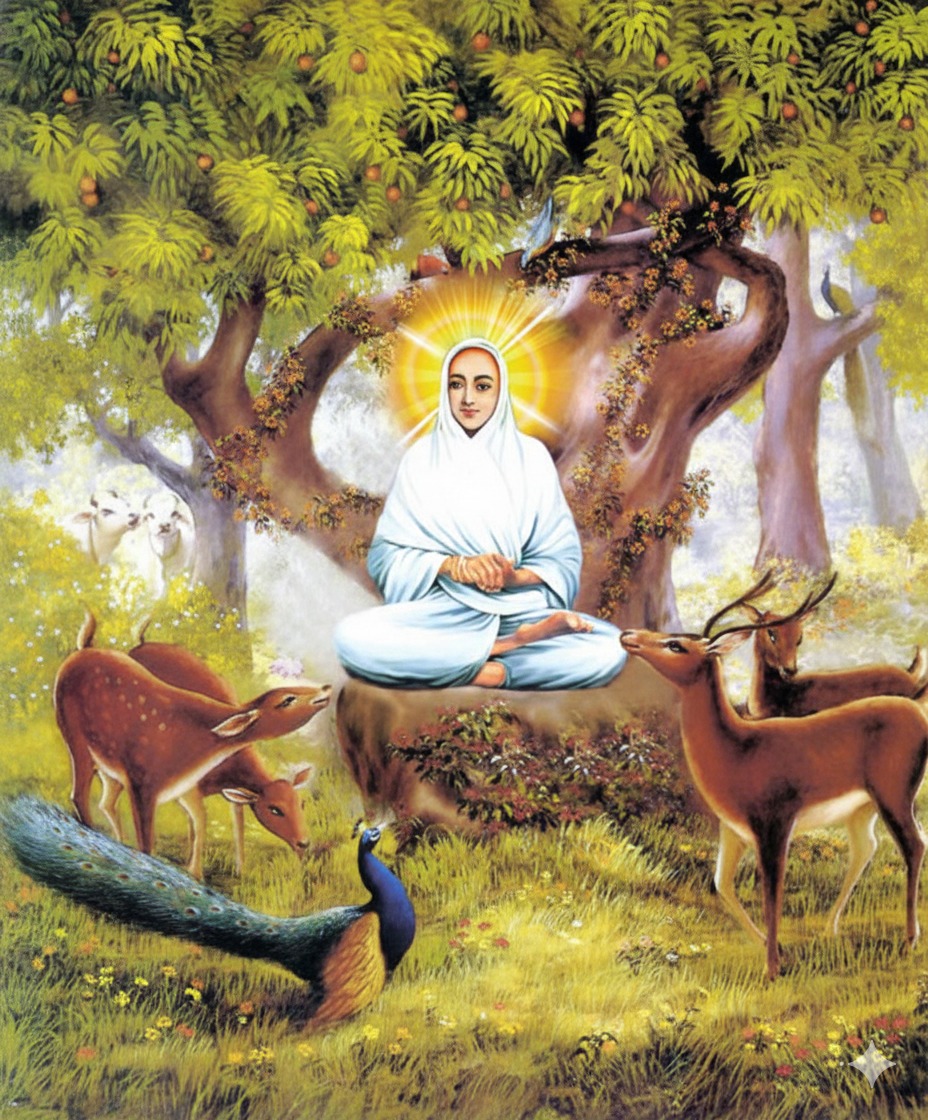
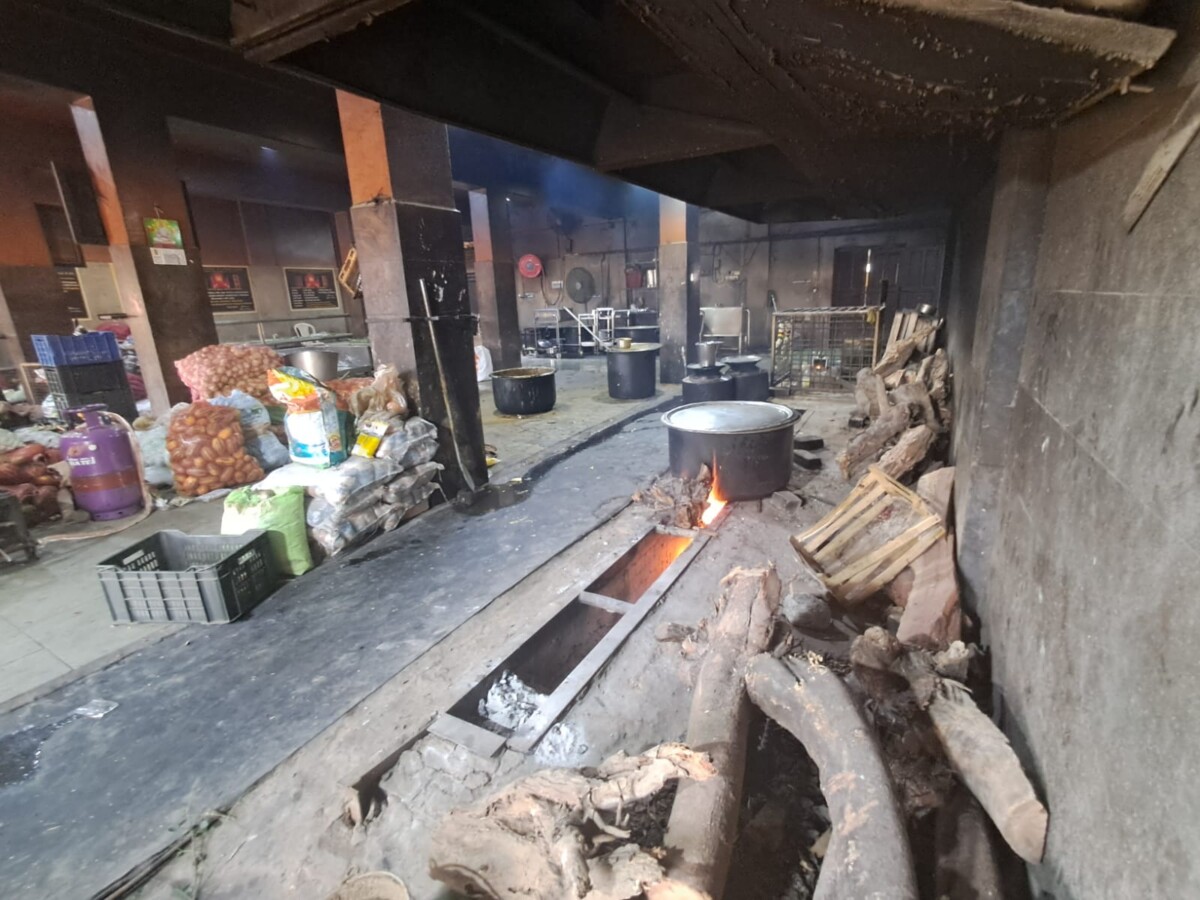
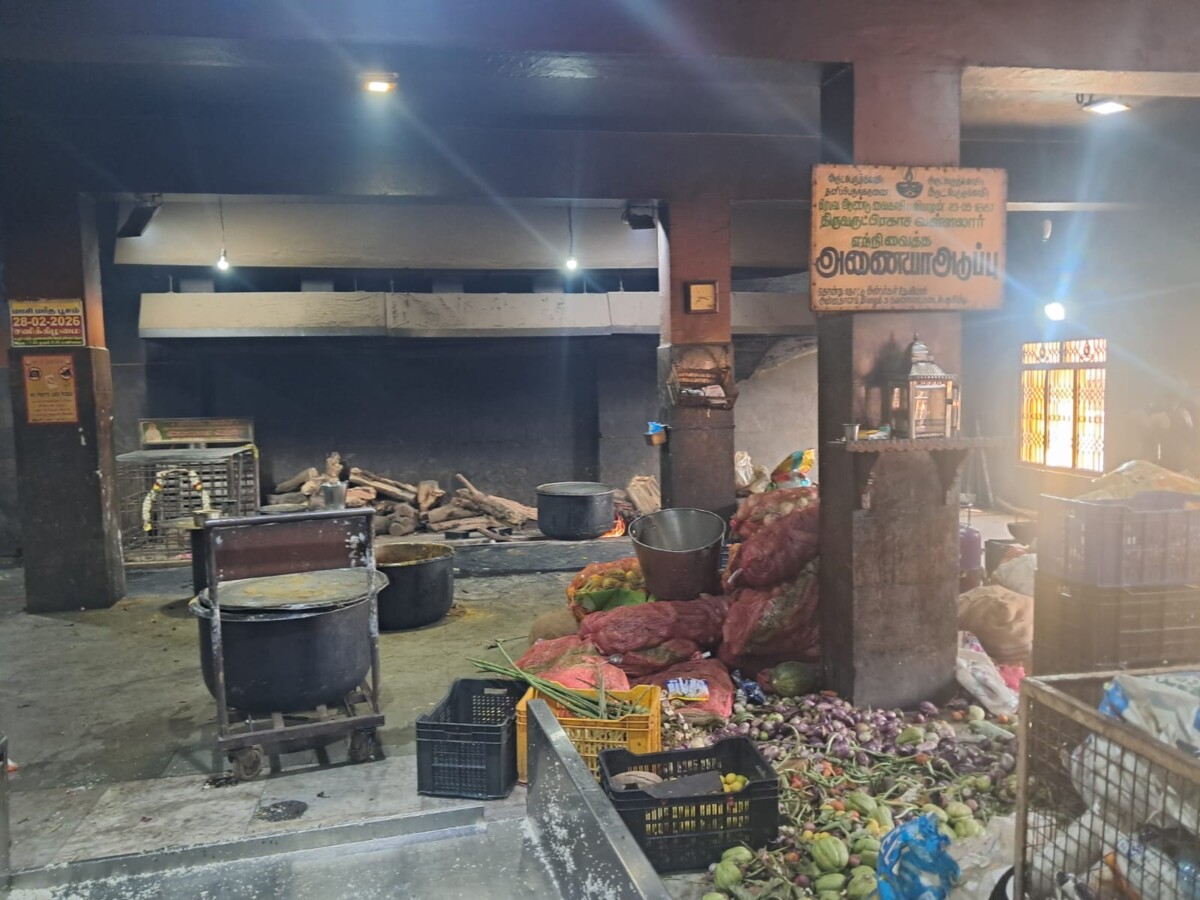
Established by the saint Vallalar (Ramalinga Adigal), the Sathya Dharma Saalai began in a small room where wooden sticks were used for fuel. Vallalar was deeply moved by the sight of people suffering from hunger, viewing it as the greatest barrier to spiritual progress. To combat this, he started a community kitchen to provide free meals regardless of caste, creed, or religion. Remarkably, the sacred fire he lit in the hearth over 150 years ago has been kept burning continuously to this day, symbolizing eternal compassion. This “empathy factory” serves not only humans but all living beings, extending even to the care of plants.
How the Kitchen Functions
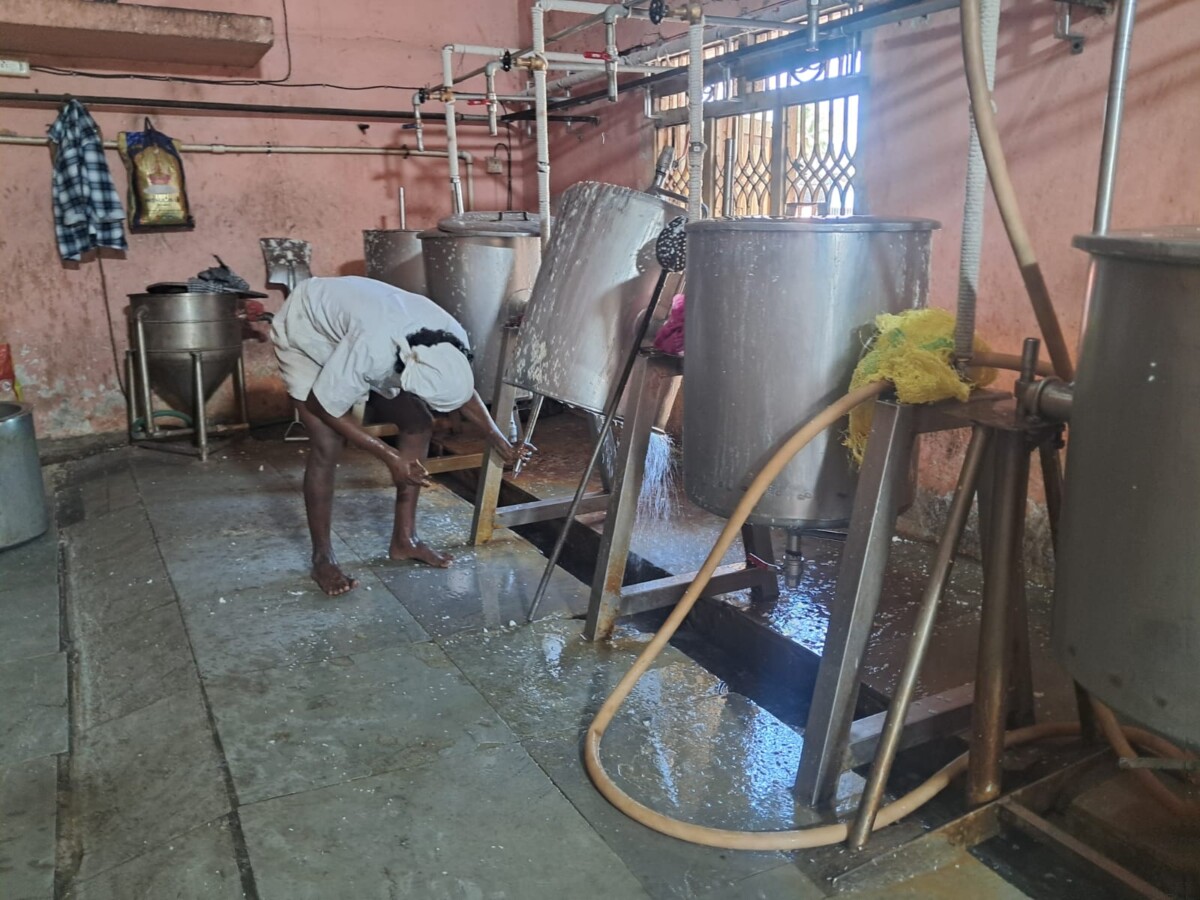
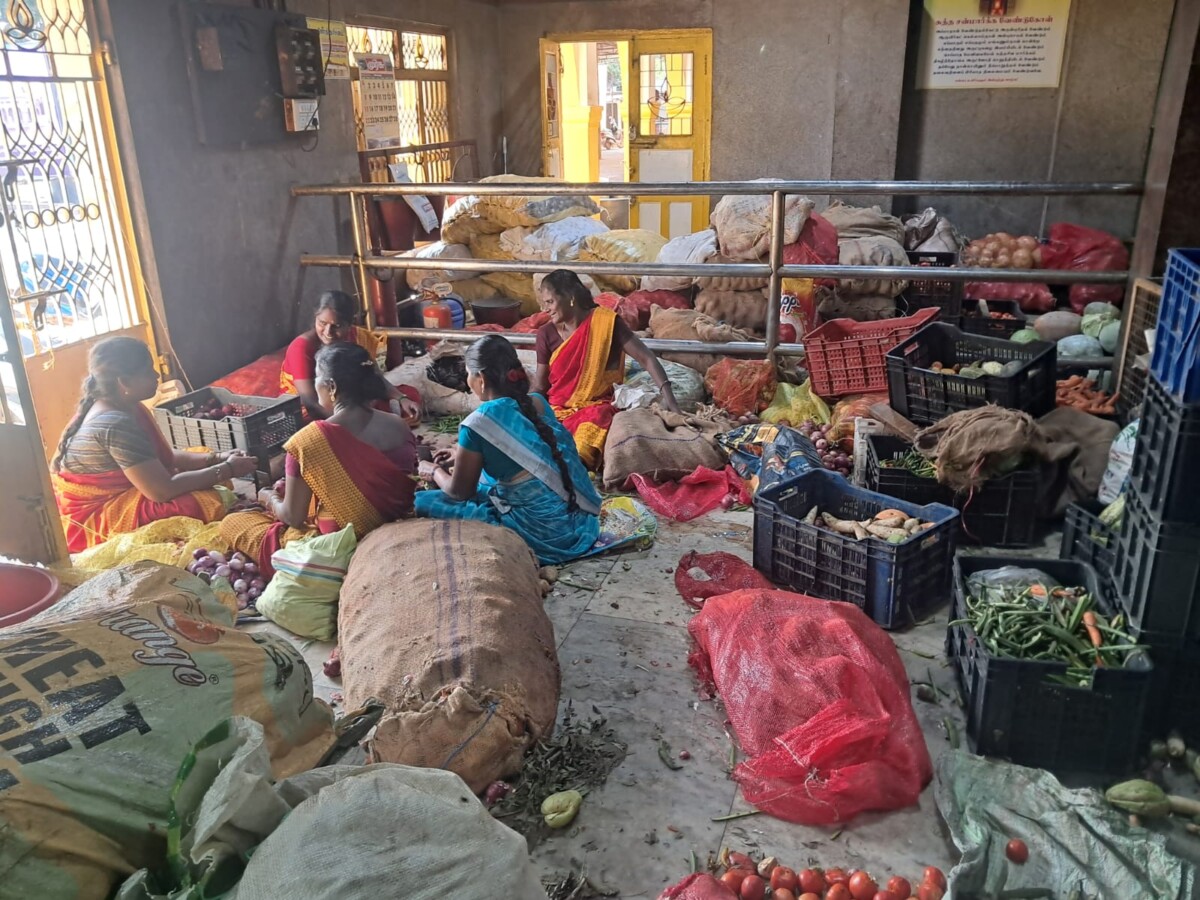
The kitchen operates with nearly zero procurement costs because essential cooking supplies are sourced within a 20 km radius of Vadalur. With rice as the staple for every menu item, regional donations remain sufficient to run the operation. “The collection vehicle travels through the villages to gather materials. Most of the weekly essentials, including firewood, come directly from nearby villages,” says a local volunteer.
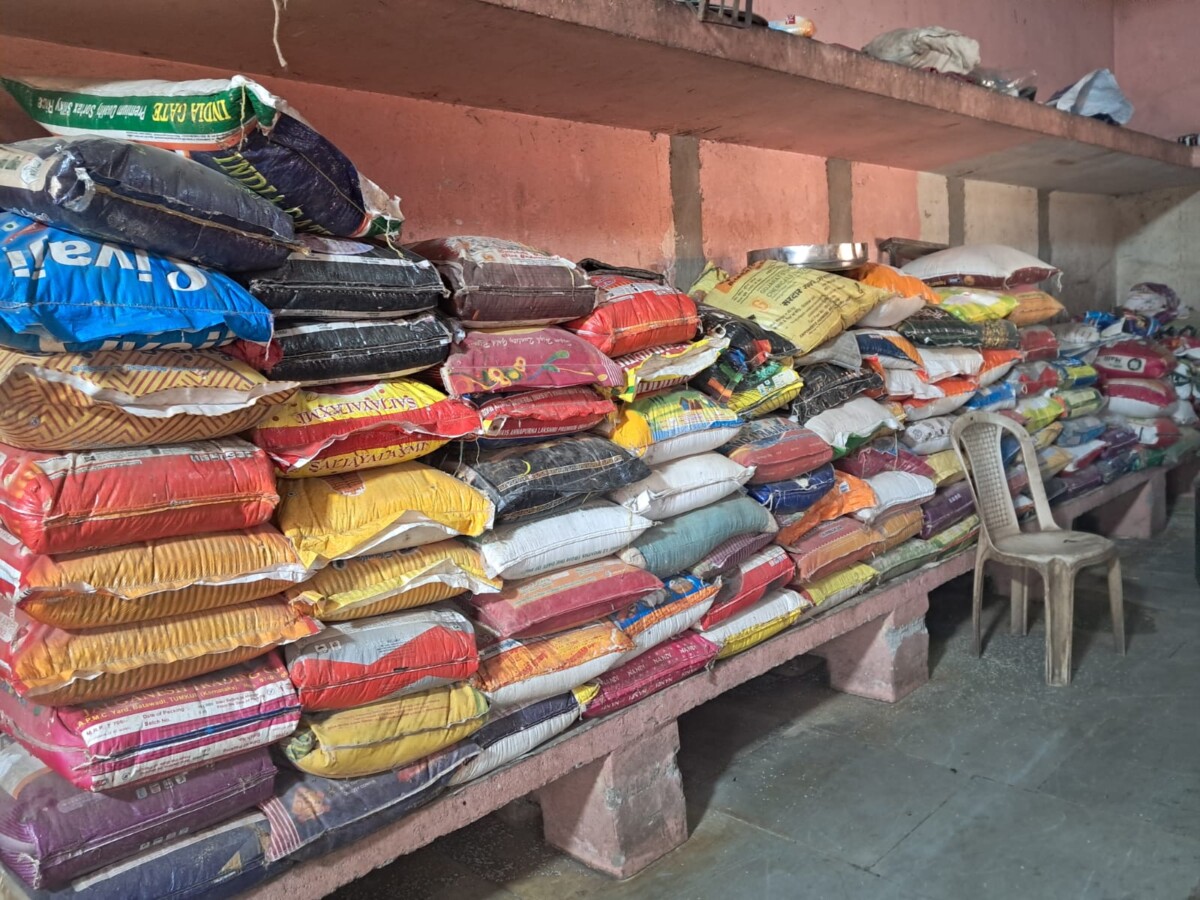
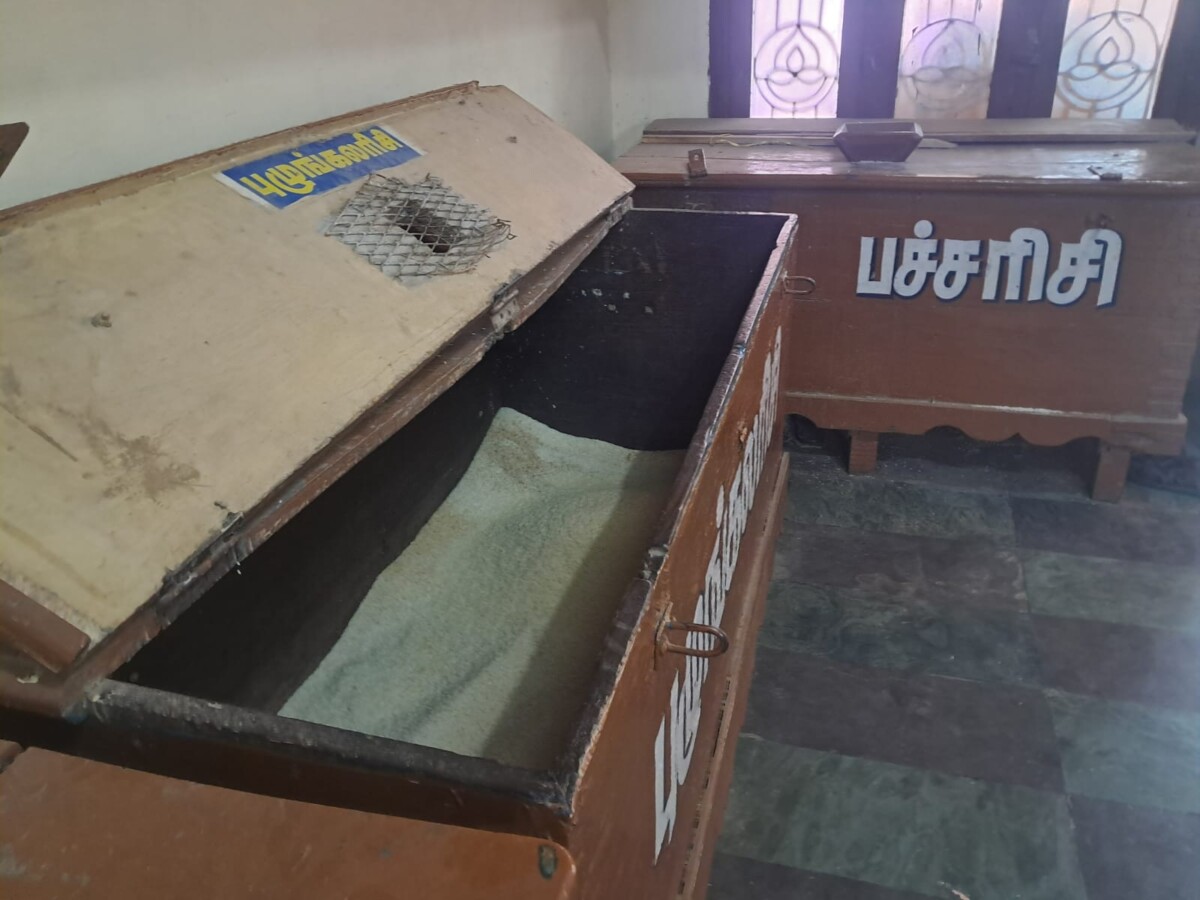
For generations, local farmers have practiced a tradition of deep faith. Before selling or consuming their harvest, they offer the first portion of their crops to the Sathya Dharma Saalai. They believe this selfless “first gift” ensures soil fertility and a bountiful yield in the following seasons. By filling the Grain Bank with their finest produce, they transform their hard work into a spiritual investment.
The Grain Bank
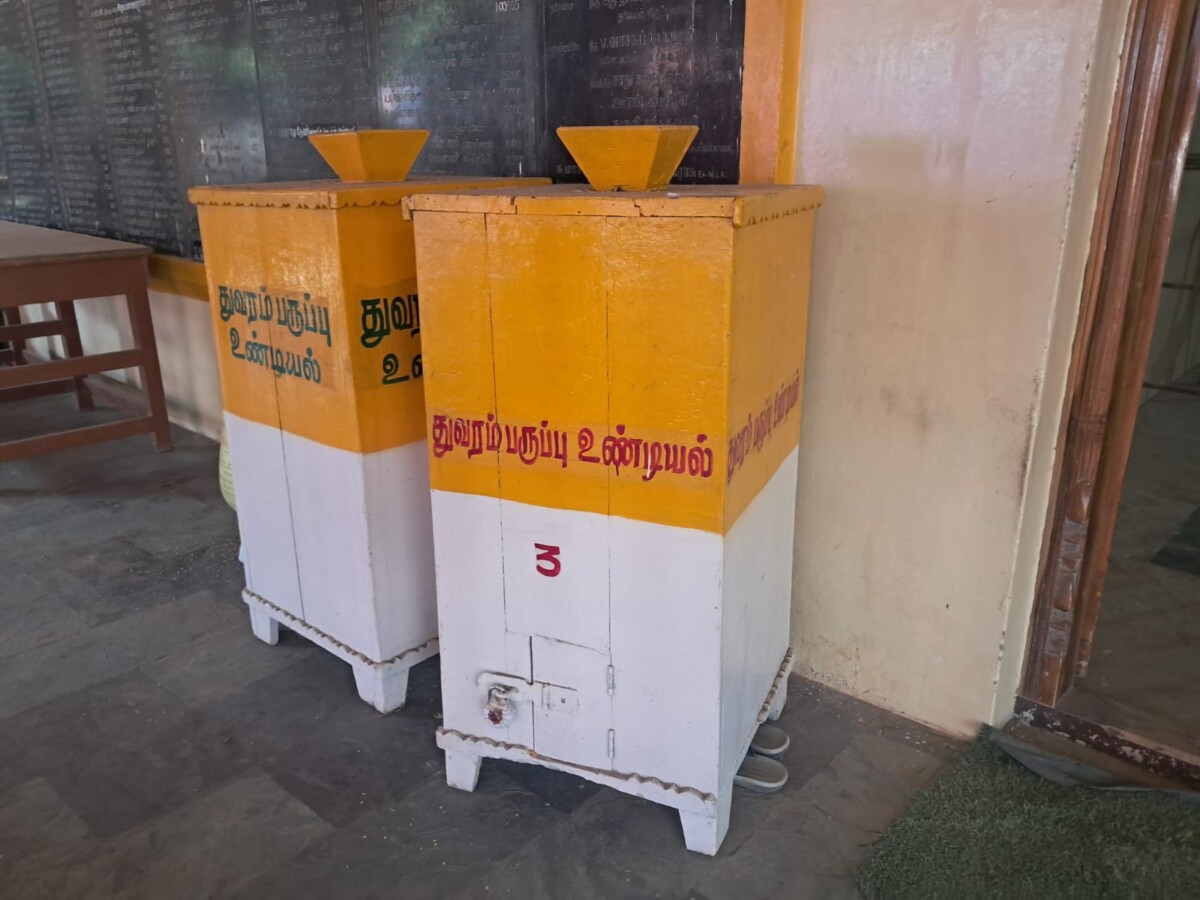
The Sathya Dharma Saalai operates a unique “Grain Bank” that functions much like a traditional Undiyal (hundi). While a money bank collects coins and notes, this spiritual bank collects grains, pulses, and rice. The concept is simple yet profound: small contributions from many hands fill a massive storehouse. These donations are the lifeblood of the kitchen, ensuring that the “ever-burning fire” continues to cook meals every single day.
History and Evolution of the Sacred Menu
What began as a simple bowl of porridge has evolved into a daily feast. When Vallalar first lit the fires in 1867, the menu was humble—primarily a nutritious kanji (gruel). This simplicity was designed to provide immediate relief to the starving, ensuring even the most vulnerable could digest their first meal.
As the Grain Bank grew, this evolved into a comprehensive spread of authentic Tamil cuisine:
- Breakfast: Steaming idli, pongal, or upma, paired with traditional sambar or chutney.
- Lunch: A full South Indian meal featuring rice, seasonal vegetable poriyal, protein-rich sambar, rasam, buttermilk, and payasam for dessert.
- Dinner: Lighter fare, such as variety rice or tiffin items.
How the Eternal Flame Defied the Global Lockdown
While institutions worldwide suspended operations during the COVID-19 pandemic, Vadalur Sathya Dharma Saalai was a remarkable exception. Adhering to Vallalar’s mandate that the “fire of the kitchen and the fire of hunger must never be extinguished,” the institution remained functional through both waves.
The kitchen became a critical lifeline for migrant workers and the homeless. Volunteers coordinated with district authorities to maintain safety protocols while serving thousands. Even when global supply chains were disrupted, the local “Grain Bank” system ensured the kitchen never ran out of supplies.
Going Global
Today, the kitchen is a global spiritual hub. While the largest numbers of devotees come from Tamil Nadu, Karnataka, and Kerala, the international following is growing. Devotees visit from Malaysia, Singapore, Sri Lanka, and increasingly from Germany, France, and the UK. Recent reports even highlight German devotees personally carrying sacks of rice to the kitchen. This increase in activism stems from the fact that the mission transcends nationality, attracting Westerners drawn to the philosophy of non-violence. Today, it is common to see European devotees carrying sacks of rice on their shoulders to the Vadalur kitchen, united by a universal hunger for compassion that transcends all borders.
The Vallalar International Centre (VIC)
The upcoming VIC aims to take this mission to a higher level. “Beyond the sacred kitchen started by the saint himself, the new facility will have advanced cooking and serving areas that can house 750 people at once,” says Mr. Raja Saravanakumar, Executive Officer of the Temple appointed by the HR&CE Department. With an investment of nearly ₹100 crore, the project will honor the saint’s 200-year legacy.
Co-Existence with Commercial Establishments
In Vadalur, spiritual philanthropy and commerce exist in harmony. Local restaurateurs do not view the free kitchen as a rival; they see it as an inspiration. The floating population of tourists and officials continues to support local hotels, while some restaurants even take responsibility for providing a full day’s meals for the Sacred Kitchen. “There is no ‘step-motherly’ treatment here. The same quality and quantity served to paying customers is replicated when they offer free food,” notes a long-time volunteer.