-KH News Desk (editorial1@imaws.org)
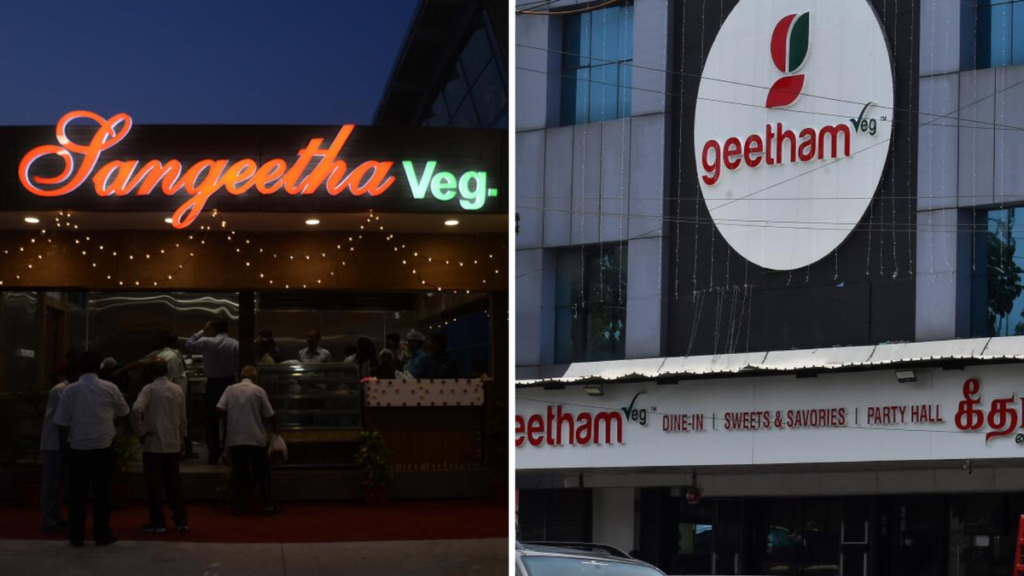
In the high-stakes world of the Indian culinary industry, a name is more than just a label, it is a promise of consistency, taste, and heritage. For decades, the name ‘Sangeetha’ has been synonymous with the quintessential Chennai vegetarian dining experience. However, the ongoing legal skirmish between Sangeetha Caterers and Consultants LLP and its former franchisees, now operating under the brand ‘Geetham,’ has reached a critical juncture.
On Thursday, the Madras High Court reserved its judgment in this long-standing trademark dispute. While the court’s decision will eventually settle the legal technicalities, the case serves as a poignant case study for every restaurateur on the fragility of brand equity and the complexities of the franchise model.
The Root of the Conflict
The dispute, which intensified in 2023, is a classic fallout between a brand owner and a former partner. Sangeetha alleged that their former franchisees, upon the termination of their agreement, didn’t just walk away; they pivoted to a brand “Geetham” that was “deceptively similar.”
The crux of Sangeetha’s argument lies in the concept of “passing off.” They contend that Geetham’s logo, color palette (the familiar green and maroon), and even the phonetic resonance of the name were designed to leverage the goodwill Sangeetha spent 30 years building. For the consumer, the transition from “Sangeetha” to “Geetham” at the same physical locations felt less like a new beginning and more like a rebranding.
The “Rebranded” Dilemma
From an industry perspective, the most contentious point in this saga was Geetham’s initial marketing. Advertisements allegedly claiming that “Sangeetha is now Geetham” hit a raw nerve. For a brand owner, this is the ultimate nightmare: a former partner essentially telling your customers that you have simply changed your name, effectively “hijacking” a loyal customer base.
While the Madras High Court has previously allowed Geetham to operate—provided they changed their color scheme and issued clarifications—the final verdict remains a looming shadow. It raises a fundamental question for the F&B sector: Where does the right to do business end and the right to protect intellectual property begin?
Lessons for the Culinary World
As we wait for the Bench to deliver its final word, there are three vital takeaways for the hospitality community:
- Iron-Clad Exit Clauses: This case highlights the necessity of “non-compete” and “de-branding” clauses in franchise agreements. It isn’t enough to stop using the name; the physical and visual “vibe” of the outlet must be distinct enough to prevent consumer confusion.
- The Power of Visual Identity: Trademarks aren’t just about words. The “trade dress”—the specific combination of colors, fonts, and decor—is often what the customer recognizes first. Sangeetha’s fight to protect its specific shade of green and red is a reminder that your brand’s “look” is as valuable as your secret recipe.
- The Digital Paper Trail: In today’s age, how you appear on Swiggy, Zomato, and Google Maps is part of your trademark. The confusion caused on these platforms during the Sangeetha-Geetham transition was a major point of contention. Brands must have a digital transition strategy to ensure their legacy isn’t “rebranded” by a departing partner.
The Verdict Awaited
The Madras High Court’s reserved judgment will likely set a significant precedent for the Indian restaurant industry. Will it favor the “protection of heritage” or the “right to compete”?
For now, the kitchens at Geetham continue to buzz, and the tables at Sangeetha remain full. But for the rest of the industry, the message is clear: in the world of food, your name is your most valuable ingredient. Guard it with everything you’ve got.
“Disclaimer: This article was created using AI; the final content reflects the editorial standards and industry focus of Kitchen Herald.”