-KH News Desk (editorial1@imaws.org)
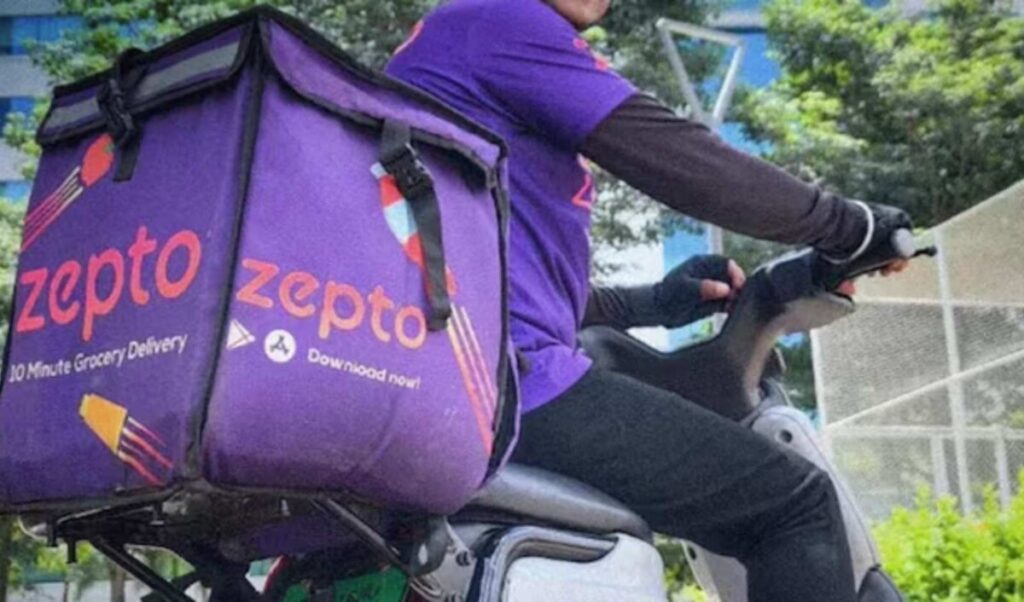
Zepto, a leading Indian company in the quick commerce sector known for its 10-minute delivery model, has completed the nationwide automation of its backend supply chain. This move is a strategic step to streamline operations and improve unit economics amid growing demand and infrastructure pressures in the quick commerce industry.
The Automation Initiative
The company’s shift to automated systems, which took a year for development and deployment, is now fully integrated across its network. The primary goal is to handle the high volume of inventory necessary to sustain its rapid delivery service.
-
Scale: Zepto currently processes approximately 25 lakh FMCG units each day through its new automated systems.
-
Technology & Infrastructure: The automation relies on machine-led capabilities. The company’s engineering teams built proprietary internal software to manage these automated assets and integrate them seamlessly with Zepto’s broader logistics infrastructure.
-
Benefits: This transformation has resulted in a significant boost in efficiency:
-
Outbound Labour Productivity: Increased by more than 45 percent compared to manual tasks.
-
Operational Savings: Expected to lead to annual operational savings projected in the hundreds of crores.
-
Industry Context and Future Vision
The move comes as the quick commerce industry navigates challenges related to supply chain capacity, sourcing pressure, and constraints in infrastructure like hyperlocal warehouses. Market estimates suggest that current requirements for these compact warehouses (generally between 2,000 and 8,000 square feet, often repurposed from commercial spaces) could be nearly three times the available supply.

Aadit Palicha, Founder and CEO of Zepto, highlighted the successful integration of proprietary technology: “Our engineering teams have successfully developed internal software to direct these automated assets and connect them with our main logistics systems.”
As Zepto scales its footprint, the automation push will be central to improving operational efficiency and cost management, supporting faster fulfillment and meeting consumer expectations for speed and reliability.